
Why Diapers Leak at Daycare But Not at Home: 5 Real Causes & Fixes
Diapers leak at daycare primarily because staff change babies every 3+ hours (vs. 2 hours at home), position diapers differently, increased crawling boosts pee volume, and centers often use unfamiliar budget brands. Fix: send labeled diapers from home, educate staff on wetness indicators, and size up for daycare-only hours.
The nursery calls at 2 PM. Your baby's shirt is soaked. You change diapers the same way at home, use the same brand, but somehow daycare is a leak festival while home stays dry. If this is your mornings and afternoons, you're not managing your baby's hydration or pee volume differently—something about the daycare environment itself is triggering leaks. The problem isn't your baby. It's the gap between how you care for your baby and how busy staff manage 12 toddlers at once.
The top products parents send to daycare to control leaks include brand-specific diapers chosen for fit and absorption, size-up options for longer wear periods, and wetness-indicator diapers that help staff recognize when changes are overdue. Many parents also pack a change-time checklist or visual guide to help caregivers position the diaper correctly.
Why Diaper Leaks Happen Specifically at Daycare
Daycare leaks follow a pattern. They're not random. The five causes below are specific to group care settings and don't happen at home because you control the variables.
1. Change Intervals Are Stretched to 3+ Hours (vs. 2 Hours at Home)
At home, you change your baby every 1.5 to 2 hours, or when you see wetness. Staff at busy centers aim for a 2–3 hour cycle per baby, sometimes longer during nap time. That extra hour means your baby produces more urine than the diaper was designed to hold in a single wear. A diaper sized and absorbed for 2 hours starts to leak at hour 2.5.
This isn't neglect—it's math. One caregiver changes 4–6 toddlers in rotation. Stretched intervals are normal in group care.
2. Staff Position the Diaper Differently Than You Do
How you tuck, pull, and fasten a diaper affects the leg fit and waistband seal. Hurried staff—or those unfamiliar with your baby's body and diaper brand—may pull the back panel too loose, position the front tabs off-center, or not pull the leg gathers snug. These positioning errors account for most "mysterious" daycare leaks. Your baby's body hasn't changed. The diaper hasn't changed. The fit has.
3. Increased Crawling and Activity Boosts Urine Output
Daycare babies crawl, climb, and play constantly. Home babies also play, but on softer surfaces with more fluid intake control. Increased activity and excitement at daycare can boost pee frequency and volume slightly. A diaper sized for home routine may not account for this uptick. Additionally, some children drink more at daycare due to different hydration cues or peer behavior.
4. Group Nap Time Puts Sustained Pressure on the Diaper
At home, naps are shorter or happen at varied times. Daycare has a mandatory 1–2 hour group nap window during which babies lie on mats, often in close quarters. Prolonged lying-down pressure on the diaper, combined with post-nap urine, creates a perfect storm for leaks. The diaper wasn't changed before nap (to minimize sleep disruption), and it's been compressed under body weight for hours.
5. Centers Supply or Require Budget Brands You Don't Use at Home
Many daycare centers supply their own diapers or have a list of approved brands to cut costs. If your baby wears a premium or mid-range brand at home—chosen specifically for fit, absorbency, or skin sensitivity—the center's budget alternative may have a looser fit, thinner core, or different leg-gathers design. The wetness indicator may also be less visible, so staff don't recognize when the diaper is full.
How to Fix Daycare Diaper Leaks: Proven Strategies
Once you identify which cause is leaking (or it's a combination), these fixes work because they address the daycare-specific constraint, not your baby.
Send Your Own Diapers From Home (Labeled)
Buy the brand and size you use at home. Write your baby's name with a permanent marker on the pack. Bring 15–20 diapers to daycare weekly. Cost at home is typically Rs. 10–12 per diaper for trusted brands; daycare centers often charge Rs. 8–10 per diaper when supplied by them, but the fit mismatch isn't worth it. Many parents find that a consistent home brand eliminates leaks within 3–5 days because staff know what to expect and the fit is reliable.
Why this works: Staff change the baby without guessing. The diaper's fit and absorbency are known. Wetness indicators (if the brand has them) are consistent.
Create a Change-Time Chart or Visual Guide for Staff
Print a simple 1-page photo or illustration showing how to position the diaper on your baby: pull the waistband snug, tuck the leg gathers, ensure the back panel is high. Leave it taped in your baby's cubby. Include a note: "Please check wetness every 1.5–2 hours, especially before nap." Many centers welcome this because it removes ambiguity.
Why this works: Positioning errors drop. Staff follow a standard, not a guess. New or substitute caregivers have a reference.
Size Up for Daycare-Only Wear
If your baby wears Size M at home, buy Size L for daycare only. The larger diaper holds more urine and sits slightly higher on the waist, reducing leg leaks during the 3-hour intervals and nap time. This is temporary—drop back to the home size once the child is toilet-trained or the leaks stop.
Cost impact: About Rs. 2–4 more per diaper, but fewer leak incidents and outfit changes offset this. One soiled shirt at daycare costs in laundry, replacement outfit, and stress.
When to use this: Try it for 1–2 weeks if other fixes haven't stopped leaks. If the larger size works, keep it in the daycare rotation.
Educate Staff on Wetness Indicators
If your diaper brand has a wetness indicator (a color line that changes from yellow to blue when wet), highlight this on the pack: "Blue line = change the diaper." Many busy staff don't notice these. A simple reminder—verbal or written—teaches them to rely on the indicator instead of guessing when the diaper feels full.
Why this works: Staff change the diaper based on an objective signal, not on time guesses or feel. Changes become more frequent and reliable.
Run a Bring-Home Leak Test
Once a week, ask staff to put the used daycare diaper in a sealed plastic bag and send it home with your child. At home, squeeze the diaper gently over a sink or cloth. If liquid comes out, the diaper was too full when changed—staff are stretching the interval or not recognizing fullness. If it's bone-dry, the brand or size is fine; the leak is a positioning issue (go back to the visual guide fix). This simple test tells you exactly which cause you're fighting.
Communication Script for Talking to Daycare Staff
Most daycare workers care deeply but are under time pressure. Here's a warm, non-accusatory way to address leaks:
"Hi [caregiver name], we've noticed some leaks at daycare, but not at home. We'd love to troubleshoot together. We're going to send [Brand Name] diapers from home—the same ones we use here. Could you also watch the wetness indicator [if applicable] and aim to change every 1.5–2 hours if possible? I've also added a photo showing how we position the diaper. Let's see if this helps. Thank you for taking such good care of [baby]."
This approach acknowledges their role, gives them tools (diapers, photo, guidance), and sets a collaborative tone. Most staff will respond positively because you've made their job easier, not harder.
When to See a Doctor
Daycare-only leaks are usually environmental, not medical. However, see a pediatrician if:
- Leaks happen at home too, consistently and across different diaper sizes or brands—this may signal a urinary or anatomical issue.
- Leaks are accompanied by redness, rash, or discomfort—this may be diaper dermatitis from prolonged wetness.
- Your baby seems to urinate much more frequently or in unusually large volumes at daycare—this may indicate a behavioral or dietary change needing guidance.
This is general information, not medical advice.
What IAP and WHO Guidance Says
IAP recommends: Frequent diaper changes (every 2 hours or when soiled) to prevent diaper dermatitis, especially in group care settings where moisture exposure is higher and changes may be delayed.
WHO notes: Skin barrier maturity in toddlers 1–3 years benefits from consistent, timely diaper changes and proper positioning to avoid pressure sores or chafing from loose-fitting diapers.
Our Top Picks

Pampers Swaddlers Size 2 (Pack of 34)
- ✓ 14-25 kg size range
- ✓ Wetness indicator present
- ✓ Elastic leg gathers
* We earn a small commission — at no extra cost to you.

MamyPoko Extra Absorb Diaper Pants Size M (Pack of 22)
- ✓ 7-12 kg ideal weight
- ✓ Quick dry technology
- ✓ Secure fastening tabs
* We earn a small commission — at no extra cost to you.
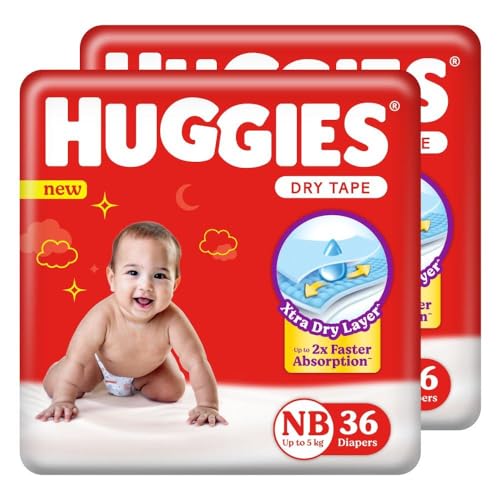
Huggies Little Snugglers Size 2 (Pack of 32)
- ✓ 12-18 kg size range
- ✓ Wetness indicator with clear signals
- ✓ Contoured fit for active toddlers
* We earn a small commission — at no extra cost to you.
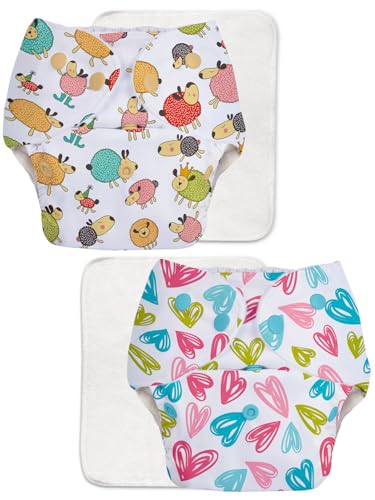
Superbottoms Cloth Diaper Cover - Newborn (Pack of 3)
- ✓ Reusable waterproof cover
- ✓ Adjustable sizing (5-15 kg)
- ✓ Organic cotton-backed
* We earn a small commission — at no extra cost to you.
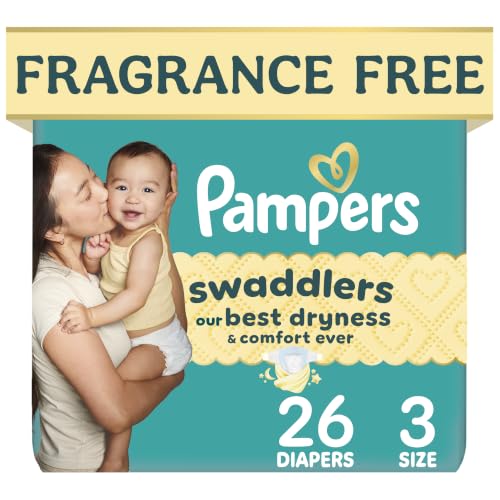
Pampers Size 3 Swaddlers (Pack of 26)
- ✓ 18-28 kg size (ideal for size-up)
- ✓ Wetness indicator
- ✓ Enhanced absorbency for extended wear
* We earn a small commission — at no extra cost to you.

Mamy Poko Pants Extra Small (Pack of 22)
- ✓ 5-7 kg range
- ✓ Wetness indicator
- ✓ Flexible waistband
* We earn a small commission — at no extra cost to you.