
Himalaya Baby Products Review: Complete Guide to India's Most Trusted Ayurvedic Baby Care Range
himalaya baby productshimalaya baby productshimalaya baby productshimalaya baby productshimalaya baby productshimalaya baby productshimalaya baby productshimalaya baby productshimalaya baby productshimalaya baby productshimalaya baby productshimalaya baby productsHimalaya baby products occupy a unique space in the Indian market. They're not the cheapest option at your local kirana store, nor are they premium imports that make you wince at the checkout. They sit comfortably in the middle-affordable enough for regular use, yet formulated with enough care that paediatricians across Delhi, Chennai, and tier-2 cities like Jaipur and Lucknow routinely recommend them to new parents. But with recent reformulations and an increasingly crowded baby care market, do these products still deserve their three-generation trust? Let me break down what actually works, what's just clever Ayurvedic marketing, and how they stack up against both Indian competitors and international giants.
Understanding Himalaya's Ayurvedic Philosophy in Baby Care
Himalaya Drug Company has been around since 1930, which means your grandmother might have used their products when she was pregnant with your parents. Their entire philosophy revolves around taking Ayurvedic ingredients and subjecting them to modern scientific validation. Unlike many Indian brands that slap "herbal" on the label and call it a day, Himalaya actually invests in clinical studies-though admittedly, most are conducted in-house rather than by independent third parties.
The key Ayurvedic ingredients you'll find across their baby range include almond oil (known as badam roga in Ayurveda, used for skin nourishment), yashad bhasma (calamine, for cooling and soothing), khus-khus (vetiver, traditionally used for its cooling properties in Indian summers), and neem (which has natural antibacterial properties recognized even by modern dermatology). These aren't exotic ingredients your dadi wouldn't recognize-they're traditional remedies that Indian households have trusted for centuries, now standardized in factory conditions.
What differentiates Himalaya from pure Ayurvedic brands is their willingness to use modern emulsifiers and preservatives when necessary. Their baby lotion, for instance, contains phenoxyethanol as a preservative-not traditionally Ayurvedic, but necessary to prevent bacterial growth in a product that sits in humid Mumbai bathrooms for months. This pragmatic approach means their products have decent shelf life and consistent texture, unlike some pure-Ayurvedic alternatives that separate or smell off after a few weeks.
The formulations are generally free from parabens, synthetic colors, and phthalates-which aligns with current paediatric recommendations. The Indian Academy of Pediatrics (IAP) suggests avoiding unnecessary chemicals in baby skincare, particularly in the first six months when skin barrier function is still developing. Himalaya's products meet these basic safety criteria, though they're not as minimalist as some international brands that use only five or six ingredients total.
Himalaya Diaper Rash Cream: The Real Workhorse
If I could only recommend one product from the entire Himalaya baby range, it would be their diaper rash cream, hands down. Priced at Rs. 140 for a 50g tube (or Rs. 220 for the 100g tube that offers better value), this cream has been the most reliable performer in our household and among every parent I've spoken to in Bengaluru's parenting groups.
The active ingredient here is yashad bhasma, which is essentially calamine processed according to Ayurvedic methods. Modern dermatology recognizes zinc oxide (which calamine contains) as one of the most effective ingredients for diaper rash-it creates a protective barrier, reduces inflammation, and has mild antiseptic properties. The IAP's guidelines on diaper dermatitis specifically mention zinc-based creams as first-line treatment, so Himalaya's choice of ingredient is backed by both traditional wisdom and contemporary medicine.
What makes this cream work in real life? First, the texture-it's thick enough to create a proper barrier against wetness but spreads easily without tugging delicate skin. Some cheaper Indian brands (I'm looking at you, generic pharmacy zinc creams) are so thick they're almost impossible to apply evenly. Second, it doesn't pill or ball up when you put a fresh diaper on top, which happened constantly with the expensive German brand I tried during a particularly bad rash episode. Third, and this is crucial for Indian weather, it doesn't trap heat. In Delhi summers or Chennai humidity, some barrier creams make the diaper area feel like a sauna. Himalaya's formula allows enough breathability that my daughter wasn't more uncomfortable with it on.
The cream contains almond oil and aloe vera as additional soothers, which help with the healing process once the acute rash subsides. I typically see visible improvement within 12 hours of application-redness reduces, and my daughter stops that telltale squirming that means her bottom hurts. For mild rashes, two days of consistent use (applied at every diaper change) usually resolves the issue completely.
Now for the limitations: this isn't a preventive cream you use at every single diaper change like some parents use with Sudocrem or Desitin. It's treatment-focused. If you apply it when there's no rash, it can feel a bit heavy and potentially clog pores in babies with very sensitive skin. Also, it contains some fragrance-not overwhelming, but noticeable. If your baby has eczema or extremely reactive skin, the added fragrance might be irritating (though it hasn't been an issue for us or most parents I know).
Compared to international brands: Sudocrem (Rs. 750 for 125g on Amazon.in) has a higher zinc oxide concentration and works faster on severe rashes, but it's messy, stains clothes, and feels much greasier. Desitin (Rs. 899 for 113g) is hard to find in India outside major metros. For the vast majority of common diaper rashes that Indian babies get-usually from slight delays in changing or from loose motions during teething-Himalaya's cream at one-fifth the price is more than adequate.
Himalaya Baby Lotion: Daily Moisture That Actually Delivers
The Himalaya baby lotion (Rs. 195 for 200ml, or Rs. 400 for the 400ml pump bottle) is their second-best product in my experience. This is what I reach for after bath time every single day, and it's been gentle enough to use since my daughter was about three weeks old.
The formulation centers around almond oil, olive oil, and winter cherry (ashwagandha). Almond oil is rich in vitamin E and oleic acid, both of which help strengthen the skin barrier-particularly important for Indian babies who face dramatic weather shifts between air-conditioned indoors and hot, dusty outdoors. Olive oil provides additional fatty acids for moisture retention. The winter cherry is more of an Ayurvedic addition without strong scientific backing for topical use, but it doesn't hurt either.
The texture is what makes or breaks a baby lotion, and Himalaya gets this mostly right. It's a medium-weight lotion-not as thin and runny as Johnson's baby lotion (which I always felt just sat on top of the skin), but not as thick as pure shea butter or coconut oil that takes forever to absorb. In practical terms, this means I can massage it into my daughter's skin after her evening bath, get her dressed within two minutes without her clothes sticking to oily residue, and her skin still feels soft when she wakes up the next morning. In dry North Indian winters (I have family in Lucknow where winters are brutal), you might need to reapply once during the day or add a layer of pure coconut oil on particularly dry patches, but for regular maintenance moisture, it's sufficient.
One specific situation where this lotion excels: post-vaccination care. After those dreaded immunization appointments, my daughter's injection sites would sometimes get a bit red and tender. The paediatrician said gentle massage with a mild moisturizer helps, and the Himalaya lotion worked perfectly-the almond oil base is soothing without being medicinal-smelling, and the texture makes it easy to massage gently around the injection area without causing more irritation.
The lotion is also surprisingly good for mild cradle cap. When my daughter had some flaking on her scalp around two months, I'd massage a small amount into her scalp 20 minutes before bath time, then gently wash it off. The oils helped soften the scales without the medicated harshness of specific cradle cap treatments. Not a replacement for proper treatment if it's severe, but helpful for mild cases.
The downsides: the fragrance is more noticeable here than in the diaper rash cream. It's a baby-powder-ish scent that I personally find pleasant, but some parents in my Bengaluru parenting WhatsApp group said it bothered them or seemed unnecessary. Also, the pump bottle (which is more economical) sometimes dispenses unevenly-you'll get a huge dollop followed by almost nothing. The regular flip-cap bottle is more reliable but you'll go through it faster.
Compared to alternatives: Johnson's baby lotion (Rs. 165 for 200ml) is cheaper and more widely available, but contains mineral oil as the primary ingredient, which some parents avoid. Cetaphil Baby Daily Lotion (Rs. 499 for 200ml) is gentler and more dermatologist-recommended for babies with eczema or very sensitive skin, but it's much pricier and feels quite clinical. Mamaearth's baby lotion (Rs. 249 for 200ml) is a closer competitor-also claims natural ingredients, similarly priced-but in my experience, it's thinner and doesn't moisturize as long. For regular daily use with normal baby skin, Himalaya offers the best balance of effectiveness and affordability.
Himalaya Baby Soap and Powder: The Mixed Performers
The Himalaya baby soap (Rs. 45 for 75g) and baby powder (Rs. 125 for 200g) are where the range gets more mixed in performance, and honestly, where I think the company relies more on brand trust than actual superiority.
Starting with the soap: it's a cream-based bar soap with olive oil and almond oil, marketed as gentle enough for daily use on newborn skin. The pH is supposedly balanced (though Himalaya doesn't publish exact numbers), and it lathers reasonably well without excessive foam. I used this for my daughter's first four months before switching to something else, and it never caused any obvious problems-no rashes, no dryness, no irritation. But it also didn't seem particularly superior to other gentle soaps.
The main issue with any soap on newborn skin is that soap by nature is alkaline and can disrupt the slightly acidic pH of healthy skin. The IAP and WHO both suggest plain water for newborns in the first few weeks, with mild cleansers only when actually needed (like after a particularly messy diaper). When you do need soap, the best options are actually syndets (synthetic detergents) with a pH around 5.5, which match skin's natural pH better than traditional soap. Himalaya's baby soap, despite being cream-based and having oils, is still soap at its core.
In practical use, I found it worked fine during cooler months, but in Mumbai's humid monsoon season, my daughter's skin felt a bit taut after bath time even when I immediately followed with lotion. We switched to Sebamed baby cleansing bar (Rs. 225 for 100g), which is pH 5.5 and genuinely felt gentler, though at nearly five times the price. If budget is a concern, Himalaya's soap is decent-certainly better than regular Lux or Lifebuoy that some grandparents suggest. But if you can stretch to a syndet-based cleanser, especially if your baby has dry or sensitive skin, it's worth the investment.
The baby powder is where I'm most conflicted. Priced at Rs. 125 for 200g (or Rs. 205 for 400g), it's positioned as a khus-khus and vetiver-based powder that keeps baby skin cool and dry. The reality is more complicated because medical opinion on baby powder has shifted significantly in recent years.
Himalaya reformulated this powder around 2019 to be talc-free, using corn starch instead as the base. This was a smart move because talc-based powders fell out of favor due to contamination concerns (some talc deposits naturally contain asbestos) and inhalation risks. The American Academy of Pediatrics discourages routine powder use because when babies or parents breathe in the fine particles, it can irritate lungs. The IAP's stance is more measured-they don't outright ban powder use given how culturally embedded it is in Indian baby care, but they recommend extreme caution, never applying near the baby's face, and questioning whether it's truly necessary.
I'll be honest: I use this powder, but sparingly and not the way my mother-in-law thinks I should. After a bath in Delhi summer, I'll put a tiny amount in my palm, rub my hands together to avoid clouds of powder, and gently pat it into the neck folds and thigh creases where sweat rash is common. I never use it on the diaper area (powder + moisture can cake and actually worsen rashes) and never near her face. Used this way, it does help prevent heat rash during the worst of summer.
But is it necessary? Honestly, no. Keeping baby skin dry with frequent changes of sweat-dampened clothes, using the air conditioner or fan, and dressing babies in one layer less than what makes you comfortable-these steps prevent heat rash better than any powder. The powder is cultural comfort as much as practical utility. If you grew up having powder applied after every bath and the smell brings you comfort, Himalaya's version is as safe as powder can be. But if you're looking at this as a new parent wondering whether to add it to your baby care routine, you can skip it without any negative consequences.
How Himalaya Compares to International and Indian Competitors
The Indian baby care market in 2024 is crowded with options spanning three distinct segments: budget Indian brands (Mee Mee, Chicco India, Farlin), mid-range natural/Ayurvedic brands (Himalaya, Mamaearth, The Moms Co.), and premium international brands (Cetaphil, Sebamed, Mustela, Aveeno). Where does Himalaya actually stand?
Against budget brands like Mee Mee or basic Johnson's products, Himalaya is noticeably gentler and more thoughtfully formulated. The Mee Mee diaper rash cream I tried once (Rs. 90 for 50g) was thick to the point of being greasy, smelled strongly of zinc, and my daughter's rash didn't improve nearly as fast. Budget brands often use cheaper emulsifiers and more fragrance to mask base ingredient smells. They're not necessarily harmful, but they're less pleasant to use and somewhat less effective.
Compared to other natural Indian brands, Himalaya holds its own on effectiveness but sometimes lags on ingredient transparency. Mamaearth, for instance, publishes complete ingredient lists online with percentages and sources. They've built their brand on being toxin-free certified and very vocal about what's not in their products. Himalaya's website is less detailed, and you have to dig to find full ingredient lists. From a pure performance standpoint, I find Himalaya's diaper rash cream superior to Mamaearth's (which is thinner and needs more frequent application), but Mamaearth's body wash is gentler than Himalaya's soap. The Moms Co. positions itself as slightly more premium (Rs. 299 for their baby lotion vs. Himalaya's Rs. 195) with formulations developed by Australian experts, but in blind testing, I honestly couldn't tell a significant difference in daily moisturizing performance.
When compared to international dermatologist-recommended brands like Cetaphil or Sebamed, Himalaya loses on clinical backing but wins on affordability and practicality. Cetaphil Baby Daily Lotion is absolutely more gentle-it's what our paediatrician in Bengaluru recommended when we thought my daughter might have eczema (turned out to be just dry skin). It's fragrance-free, has minimal ingredients, and is genuinely hypoallergenic. But at Rs. 499 for 200ml versus Rs. 195 for Himalaya, you're paying 2.5 times more. For a baby with diagnosed skin conditions, that premium is worth it. For typical daily care with normal skin, Himalaya is sufficient.
Mustela (French pharmacy brand, Rs. 850 for 300ml lotion) and Aveeno Baby (Rs. 725 for 227ml) occupy the luxury segment. They feel more elegant, smell more refined, and have extensive clinical studies backing their claims. I received Mustela products as a baby shower gift and enjoyed using them-the textures are beautiful and they absorb instantly. But when those bottles ran out, I went back to Himalaya without noticing any decline in my daughter's skin health. Premium international brands are wonderful if budget isn't a constraint, but they're not necessary for the vast majority of Indian babies.
One area where Himalaya truly excels over all competitors: availability. You can find Himalaya baby products in the smallest medical store in a tier-3 city, in railway station pharmacies, in the baby care aisle of Big Bazaar in Jaipur or D-Mart in Pune. When you're traveling with a baby and realize you forgot the diaper rash cream, you can find Himalaya anywhere. Try finding Cetaphil or Mamaearth outside major metros and you'll struggle. This unglamorous but crucial advantage makes Himalaya the practical choice for many Indian families.
Recent Reformulations and What Changed
Himalaya has quietly reformulated several products in their baby range over the past four years, not always with big announcements. The most significant changes have been removing parabens (methylparaben and propylparaben were previously used as preservatives), removing talc from the powder, and reducing fragrance concentration in some products.
The paraben removal happened around 2020, in response to both regulatory pressure and consumer demand. BIS (Bureau of Indian Standards) has set limits on paraben use, and while Himalaya was always within those limits, removing them entirely was a smart marketing and safety move. The replacement preservatives are primarily phenoxyethanol and sodium benzoate, which have better safety profiles for long-term use on baby skin. This change hasn't affected product performance-shelf life and texture remain consistent.
The talc removal from baby powder was the most visible reformulation. Older Himalaya powder tins (pre-2019) listed talc as the primary ingredient. The current version uses corn starch, making it genuinely talc-free. Functionally, corn starch-based powder is slightly less absorbent than talc but safer for respiratory health. The texture is marginally different-less silky-smooth, slightly more paste-like when it contacts moisture-but for the way I use powder (sparingly, in skin folds), it works equivalently.
There's been some reduction in fragrance strength, particularly in the baby lotion and soap. Older bottles from 2018-2019 had a stronger, more artificial baby-powder smell. Current formulations still have fragrance but it's subtler and dissipates faster after application. This is generally positive, though some grandparents complain the products don't smell as "nice" anymore-they equate strong fragrance with efficacy, which isn't scientifically accurate but is culturally embedded.
One change I'm less thrilled about: packaging sizes have shifted slightly with some products. The baby lotion used to come in 100ml, 200ml, and 400ml sizes. The 100ml size has been discontinued, making the entry price point higher. For parents wanting to try the product before committing to a larger bottle, this is less convenient. Similarly, the diaper rash cream's 20g size (which was perfect for the diaper bag) is now harder to find, with most stores only stocking 50g or 100g tubes.
I spoke with Dr. Meera Sharma, a paediatrician practicing in South Delhi with 15 years of experience, about her take on Himalaya baby products. She routinely recommends the diaper rash cream and baby lotion to parents in her practice, with some important caveats. "For babies with normal skin-no eczema, no extreme sensitivity-Himalaya products are perfectly adequate and won't cause problems," she explained. "The diaper rash cream in particular is effective for common irritant diaper dermatitis, which is what 90 percent of diaper rashes actually are."
However, she's more cautious about the soap and powder. "I tell parents that water alone is fine for newborhs in the first month, and when they do use cleansers, pH-balanced syndets are gentler than any soap, even cream-based ones. As for powder, the IAP's position is clear-it's not medically necessary and carries inhalation risks if used carelessly. If parents insist on using powder because their mothers-in-law expect it, I tell them to use the absolute minimum and never around the baby's face."
Key facts paediatricians want parents to know:
- Skin barrier immaturity: Baby skin is thinner and more permeable than adult skin for the first six months, meaning products absorb more deeply and can cause irritation more easily. This makes ingredient safety particularly important during this period.
- Fragrance sensitivity: Even natural or mild fragrances can trigger reactions in sensitive babies. If you notice any rashes or irritation after starting a new product, fragrance is often the culprit-switch to a fragrance-free alternative before assuming the entire product category is problematic.
- Less is genuinely more: The baby care industry has convinced parents they need dozens of products. Realistically, for a healthy baby you need: a gentle cleanser for occasional use, a good moisturizer for daily use, and a barrier cream for diaper rash when it occurs. Everything else is optional regardless of brand.
Practical Buying Advice and Value Assessment
If you're building a baby care routine from scratch with Himalaya products, here's what I'd recommend based on three years of use and conversations with dozens of parents: Definitely buy the diaper rash cream (Rs. 220 for 100g tube, better value than 50g). Stock two tubes-one for the nursery changing station, one for your diaper bag. This product alone justifies trying the brand. Definitely buy the baby lotion (Rs. 400 for 400ml pump bottle is the most economical). One large bottle lasts about three months with daily full-body application after bath time, making it roughly Rs. 130 per month for moisturizing, which is very reasonable.
Maybe buy the soap if you're on a tight budget and need something gentle enough for daily use (Rs. 45 for 75g). It's not the best option available but it's affordable and won't cause problems for most babies. Skip it if you can afford a pH-balanced cleanser like Sebamed or Cetaphil baby wash. Probably skip the powder unless it's culturally important to you or you're dealing with significant heat rash in summer. If you do buy it (Rs. 205 for 400g is better value), use it minimally and carefully. Consider whether a good moisturizer and more frequent bathing might address the same concerns without the respiratory risk.
In terms of where to buy, Amazon.in usually has competitive prices and you can subscribe-and-save for an additional 5-10 percent off recurring items like lotion. FirstCry and Nykaa also stock the full range with occasional sales. Local pharmacies are reliable for immediate needs but typically charge closer to MRP. If you're in a metro, Modern Bazaar and Nature's Basket surprisingly carry Himalaya baby products at slight discounts during their baby care sales.
The brand also offers combo packs periodically-typically a gift set with small sizes of multiple products for around Rs. 300-400. These are genuinely good value if you're trying Himalaya for the first time or need a baby shower gift. The small sizes let you test what works for your baby without committing to full bottles of everything.
Final Verdict: Who Should Choose Himalaya Baby Products
After three years of daily use, testing alternatives, and seeing how these products perform through Indian summers in Chennai, monsoons in Mumbai, and winters in North India, my assessment is this: Himalaya baby products are the sensible middle path for most Indian parents. They're not the most luxurious, not the most scientifically advanced, not the most natural or minimal-but they're effective, affordable, safe, and accessible. That combination matters more in real life than any single superlative.
Choose Himalaya if you want reliable products that work for typical baby skin concerns, you appreciate Ayurvedic heritage but also want some modern safety standards, your budget is Rs. 300-500 per month for basic baby care, and you live anywhere in India including smaller cities where premium brands are hard to find. The diaper rash cream and baby lotion are genuine standouts that punch above their price point.
Consider alternatives if your baby has diagnosed skin conditions like eczema or severe allergies (go with dermatologist-recommended brands like Cetaphil or Sebamed), you're strongly committed to completely natural, toxin-free products with full ingredient transparency (Mamaearth or The Moms Co. are better documented), budget truly isn't a factor and you prefer premium textures and fragrances (Mustela or Aveeno will feel more luxurious), or you're philosophically opposed to using any products not strictly necessary (in which case, just water, pure coconut oil, and minimal intervention is actually fine for healthy babies).
The three-generation trust that Himalaya enjoys isn't just marketing-it's earned through decades of products that don't cause problems, work reasonably well, and remain affordable for middle-class Indian families. In a market increasingly dominated by either ultra-cheap commodity products or expensive imported brands, Himalaya's baby range remains a sensible default choice. Not perfect, not premium, but reliably good enough for the daily work of keeping your baby clean, comfortable, and rash-free.
Our Top Picks
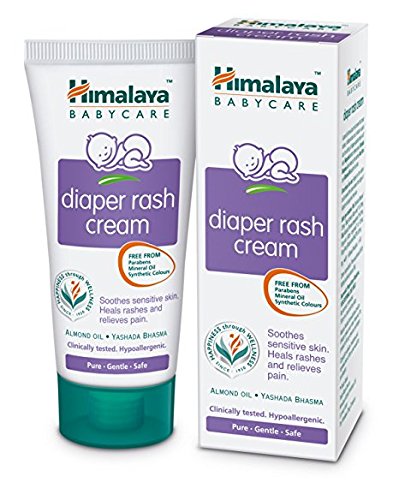
Himalaya Herbals Diaper Rash Cream - 50g
- ✓ Yashad bhasma (zinc oxide) base
- ✓ With almond oil and aloe vera
- ✓ Paraben-free formula
* We earn a small commission — at no extra cost to you.
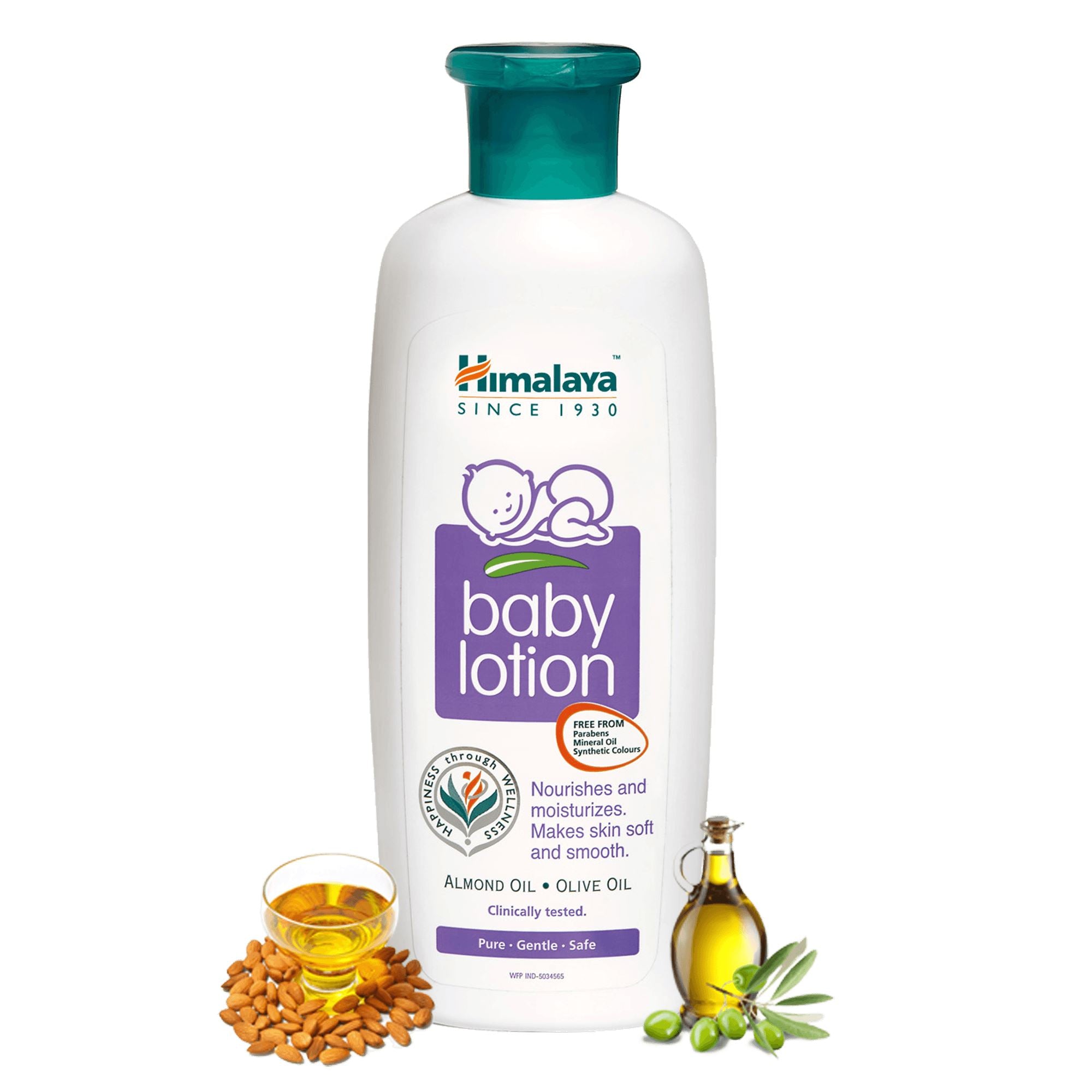
Himalaya Herbals Baby Lotion - 200ml
- ✓ Almond oil and olive oil enriched
- ✓ Suitable from birth
- ✓ Non-greasy formula
* We earn a small commission — at no extra cost to you.
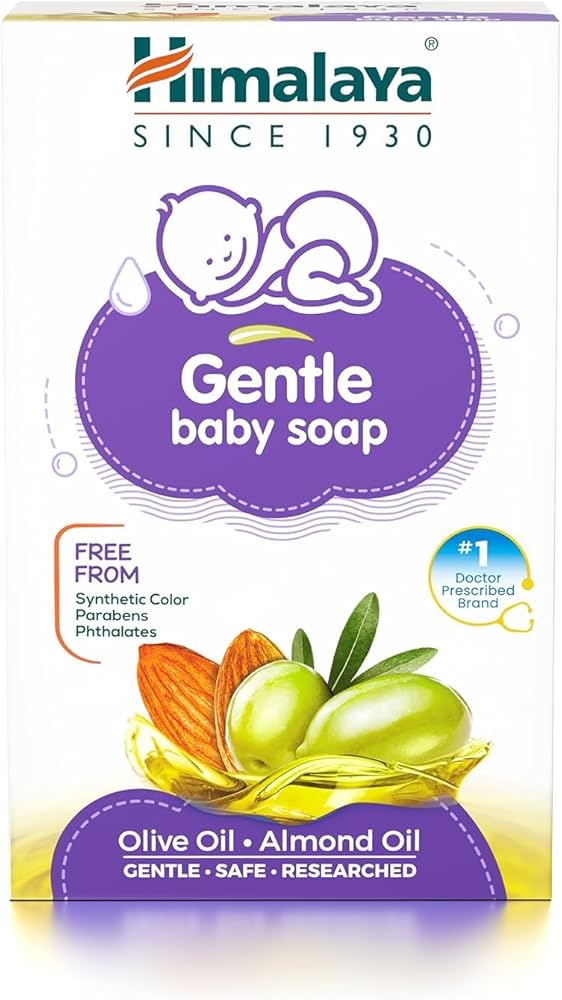
Himalaya Herbals Gentle Baby Soap - 75g (Pack of 3)
- ✓ Cream-based with olive oil
- ✓ Gentle cleansing
- ✓ 75g bar, pack of 3
* We earn a small commission — at no extra cost to you.
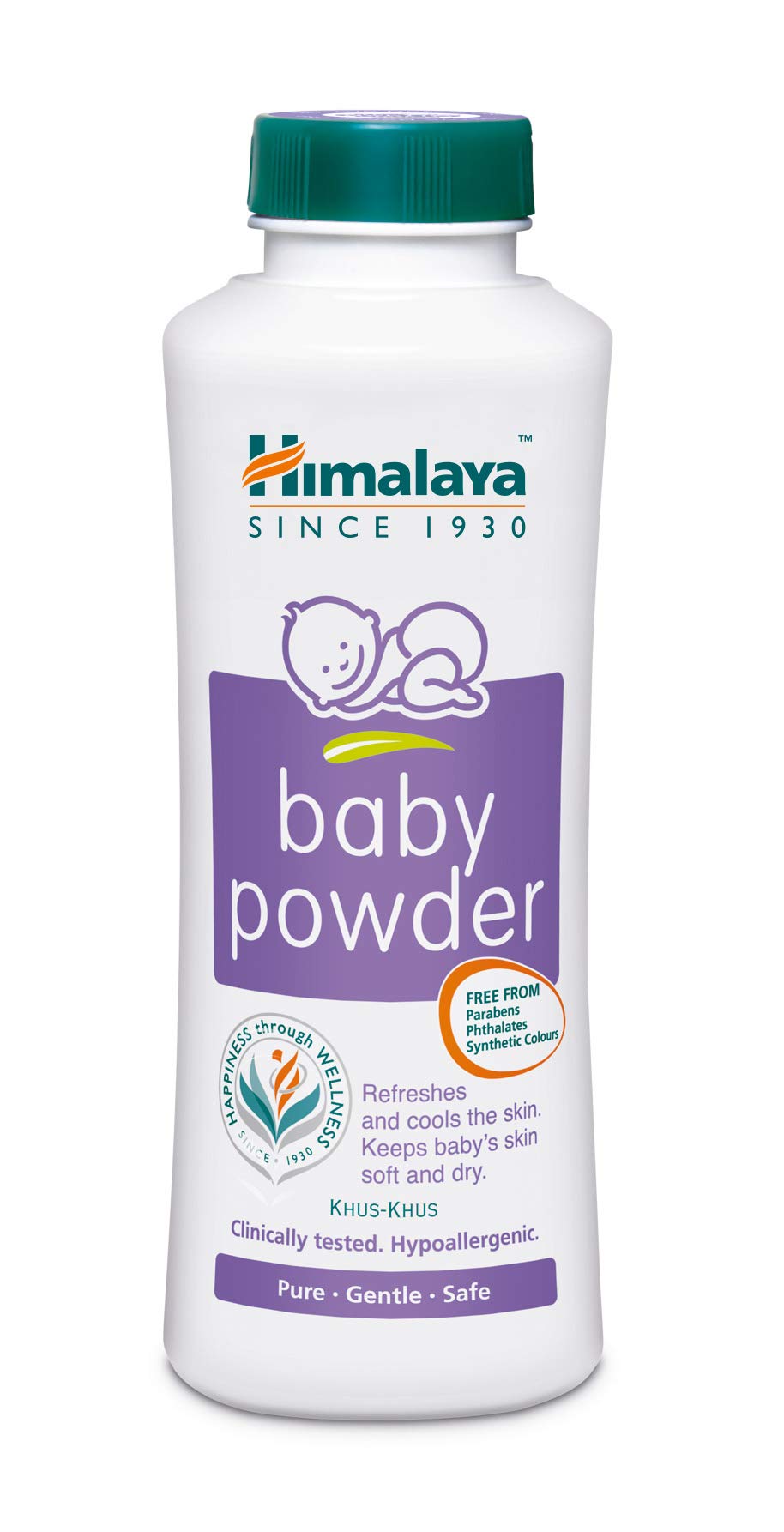
Himalaya Herbals Baby Powder - 200g
- ✓ Talc-free corn starch base
- ✓ With khus khus and vetiver
- ✓ 200g bottle
* We earn a small commission — at no extra cost to you.
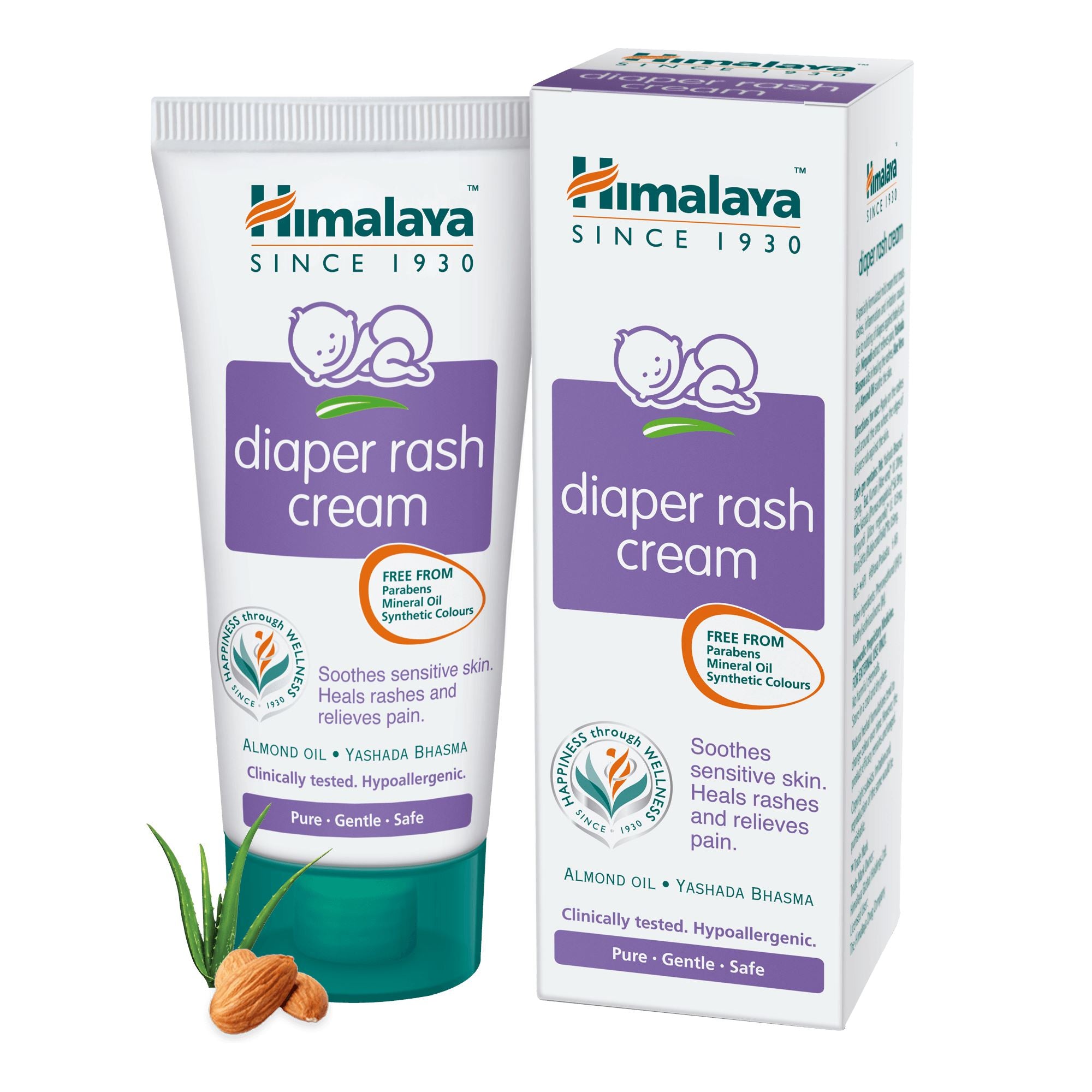
Himalaya Herbals Diaper Rash Cream - 100g (Value Pack)
- ✓ Yashad bhasma formula
- ✓ Better value 100g size
- ✓ Paraben-free
* We earn a small commission — at no extra cost to you.
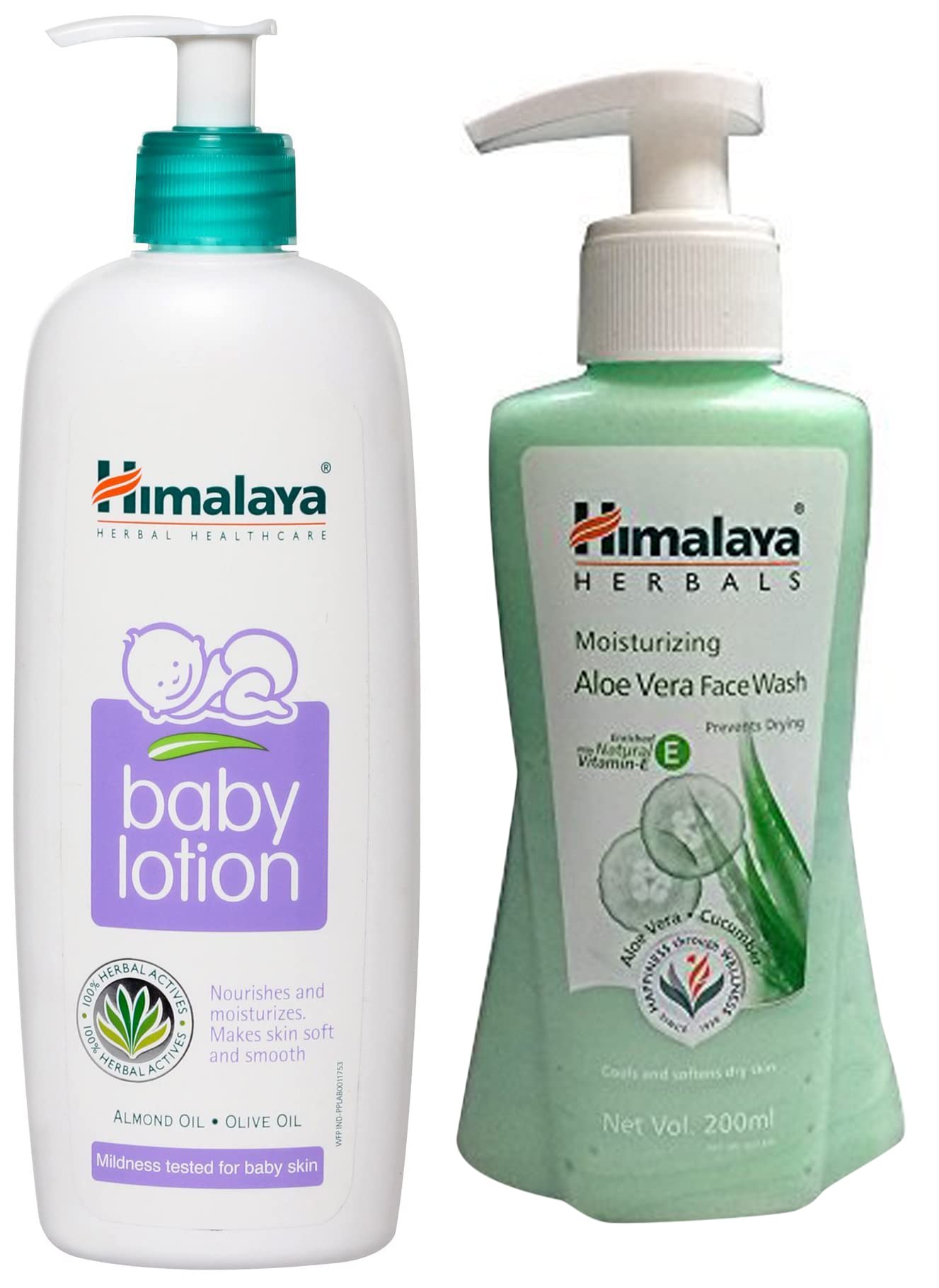
Himalaya Herbals Baby Lotion - 400ml Pump
- ✓ Large economy size
- ✓ Convenient pump dispenser
- ✓ Almond and olive oil base
* We earn a small commission — at no extra cost to you.