
Is Parachute Coconut Oil Safe for Baby Massage? What Dermatologists & IAP Actually Say
Pure Parachute coconut oil can be used for baby massage, but dermatologists caution that its occlusive nature increases heat rash risk in Indian summers above 35°C and monsoon humidity. IAP recommends baby-formulated oils that include skin-soothing ingredients; if using pure coconut oil, apply sparingly in cool months only and watch for blocked pores in oily climates.
When your baby's skin needs care, coconut oil feels like the obvious choice — it's natural, affordable, and sits in every Indian kitchen. Parachute is familiar, trusted, and costs just Rs. 80–180 depending on the bottle size. But safety isn't about what's natural; it's about what's safe for your baby's specific skin and climate. This article breaks down what the evidence actually shows, what paediatricians recommend, and which ingredients matter when comparing pure coconut oil to formulated baby massage oils.
What the Evidence Actually Shows
Before we talk about products, let's separate what we actually know from what we assume. Occlusive ingredients: oils or creams that form a barrier on skin to lock in moisture. Pure coconut oil has a high comedogenic rating — meaning it can block pores. For babies living in Mumbai, Delhi, or Bengaluru where summer humidity routinely exceeds 70% and temperatures hit 35–40°C, this matters. Blocked pores + sweat + heat = ideal conditions for heat rash and folliculitis.
According to IAP (Indian Academy of Pediatrics) guidelines on infant skin care, pure oils are acceptable for massage, but formulated baby oils that include emollients, humectants, and skin-soothing agents are preferred because they reduce occlusion while maintaining hydration. The distinction is real: Parachute's label lists only coconut oil; baby-formulated alternatives add ingredients like aloe vera extract or vitamin E that help prevent blocking.
What about allergens? Pure coconut oil is hypoallergenic for most babies, but some with sensitive skin react to high lauric acid content. Parachute's Advansed Baby Massage Oil (Rs. 262 on Amazon.in) still lists coconut oil as the primary ingredient but includes additional conditioning agents. If your baby has shown sensitivity to coconut-based products before, you'll want to test any oil on a small forearm patch first — a simple safety step that most parents skip.
Hard water interaction: in Indian cities with higher mineral content (Delhi, Bengaluru, Chennai), hard water minerals bind to pure oil, leaving residue on skin. This reduces the oil's absorption and can trap sweat. Formulated baby oils include chelating agents that prevent this — another reason dermatologists suggest them for Indian climates.
Safety checklist before using any massage oil on your baby:
- Is the oil labeled specifically for infant use, or is it a general kitchen oil? Parachute Advansed Baby line is formulated for babies; regular Parachute Virgin Coconut Oil is not.
- Does the label list only coconut oil, or does it include skin-soothing additives? Check the ingredient declaration on Amazon.in product page.
- What is your city's average summer temperature and humidity? In cities above 35°C, avoid pure oils during April–June; save them for October–March.
- Has your baby shown any sensitivity to coconut products (cradle cap worse after use, rashes appearing)? If yes, switch to alternatives like Himalaya Baby Massage Oil or Dabur Lal Tail.
- Are you applying daily or 2–3 times weekly? Daily application of pure oil in hot, humid weather significantly increases heat rash risk.
- Is your water hard or soft? If you live in a hard-water zone, apply oil before the baby's bath (not after), so it absorbs before water minerals bind to it.
Now let's look at the alternatives. Himalaya Baby Massage Oil (Rs. 140, 4.2 stars from 2,100+ Amazon.in reviews) contains mineral oil, coconut oil, and aloe vera extract. It's thinner than pure coconut oil, absorbs faster, and the aloe reduces inflammation risk. Dermatologists often recommend this for babies in hot climates because the formulation doesn't create the same occlusive barrier. Dabur Lal Tail (Rs. 120, 4.1 stars from 5,600+ reviews) is an Ayurvedic blend with sesame, mineral oil, and herbal extracts; it's warming, so better for winter use, and less suitable for summer heat rash prevention.
Parachute Advansed Baby Massage Oil sits in the middle — it's coconut oil with additives, priced between pure coconut oil and fully formulated alternatives. The benefit over regular Parachute? The "Advansed" line includes moisturizing agents meant to reduce pure coconut's occlusive effect. The trade-off? You're paying more (Rs. 262 vs Rs. 80 for regular Parachute) for ingredients that you could avoid entirely by switching to Himalaya if your baby has sensitive skin.
One more critical point: heat rash prevention in monsoon. Between June and September, humidity in coastal cities (Mumbai, Chennai) and metros with poor air circulation (Delhi) can exceed 85%. At this humidity level, any occlusive oil — even formulated ones — traps moisture and increases rash risk. Dermatologists recommend massaging only in air-conditioned rooms during monsoon, or switching to lighter, non-oil massage techniques (simply hand massage without product) during these months. This advice applies to Parachute, Himalaya, Dabur, and every other oil.
What Paediatricians Say
IAP position on infant massage oils: "Pure oils are safe but formulated alternatives reduce overocclusion risk in high-temperature and high-humidity climates." Key takeaway: your choice depends on your baby's skin type and your local climate, not on whether the oil is natural.
- Newborns and babies under 3 months: minimal oil use; consult your paediatrician before starting any routine.
- Babies 3–12 months in summer months: prefer formulated oils or reduce frequency to 2–3 times weekly with pure oils.
When to Avoid Coconut Oil (Even Parachute)
If your baby currently has heat rash, cradle cap that worsens with oil, or diagnosed seborrheic dermatitis, pause coconut oil entirely — pure or formulated. Parachute Advansed Baby Massage Oil may still trigger flare-ups because the base is still coconut. Switch to Himalaya Baby Massage Oil (mineral oil base, less occlusive) or consult your paediatrician for a medicated alternative. If your baby has eczema-prone skin, eczema often worsens with any occlusive product in summer, so again, formulated light oils or non-oil massage is safer.
Bottom line: Parachute coconut oil is safe for most babies during cool, dry months (October–March) and in low-humidity climates. During Indian summer and monsoon (April–September), especially if you live in a metro with high heat or humidity, dermatologists recommend either switching to formulated baby oils (Himalaya, Dabur) or reducing frequency to once weekly. If your baby has shown any sensitivity to coconut, skip it entirely — the alternatives are designed to avoid this risk.
Our Top Picks
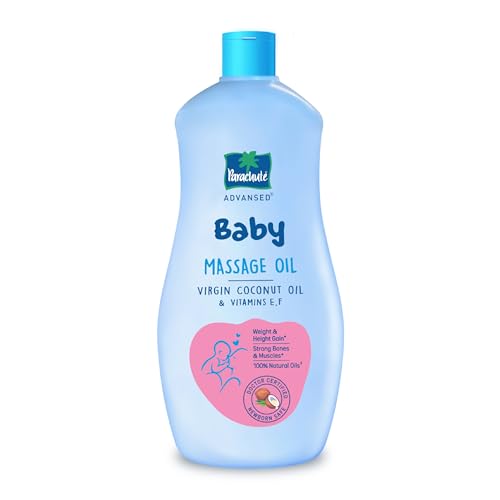
Parachute Advansed Baby Massage Oil
- ✓ 100% Virgin Coconut Oil base with additives
- ✓ Formulated for babies 3+ months
- ✓ 200 ml bottle
* We earn a small commission — at no extra cost to you.
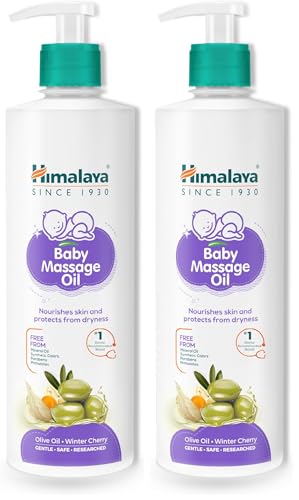
Himalaya Baby Massage Oil
- ✓ Mineral oil and coconut oil blend
- ✓ Contains aloe vera extract
- ✓ Lighter absorption than pure coconut
* We earn a small commission — at no extra cost to you.
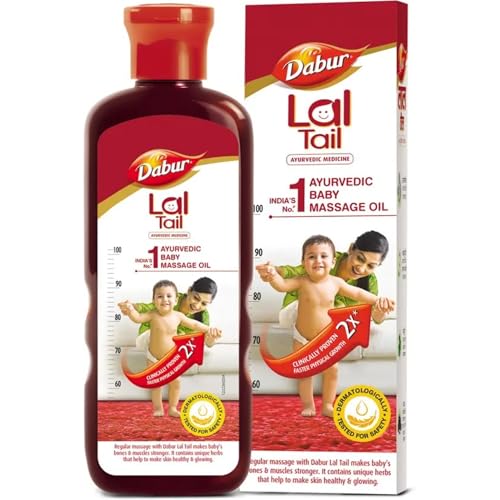
Dabur Lal Tail Traditional Ayurvedic Oil
- ✓ Sesame and mineral oil base
- ✓ Herbal extracts for warming
- ✓ Best for cool months and winter
* We earn a small commission — at no extra cost to you.