
Best Baby Strollers Under Rs. 10,000 for Indian Roads: Complete Buying Guide for 2026
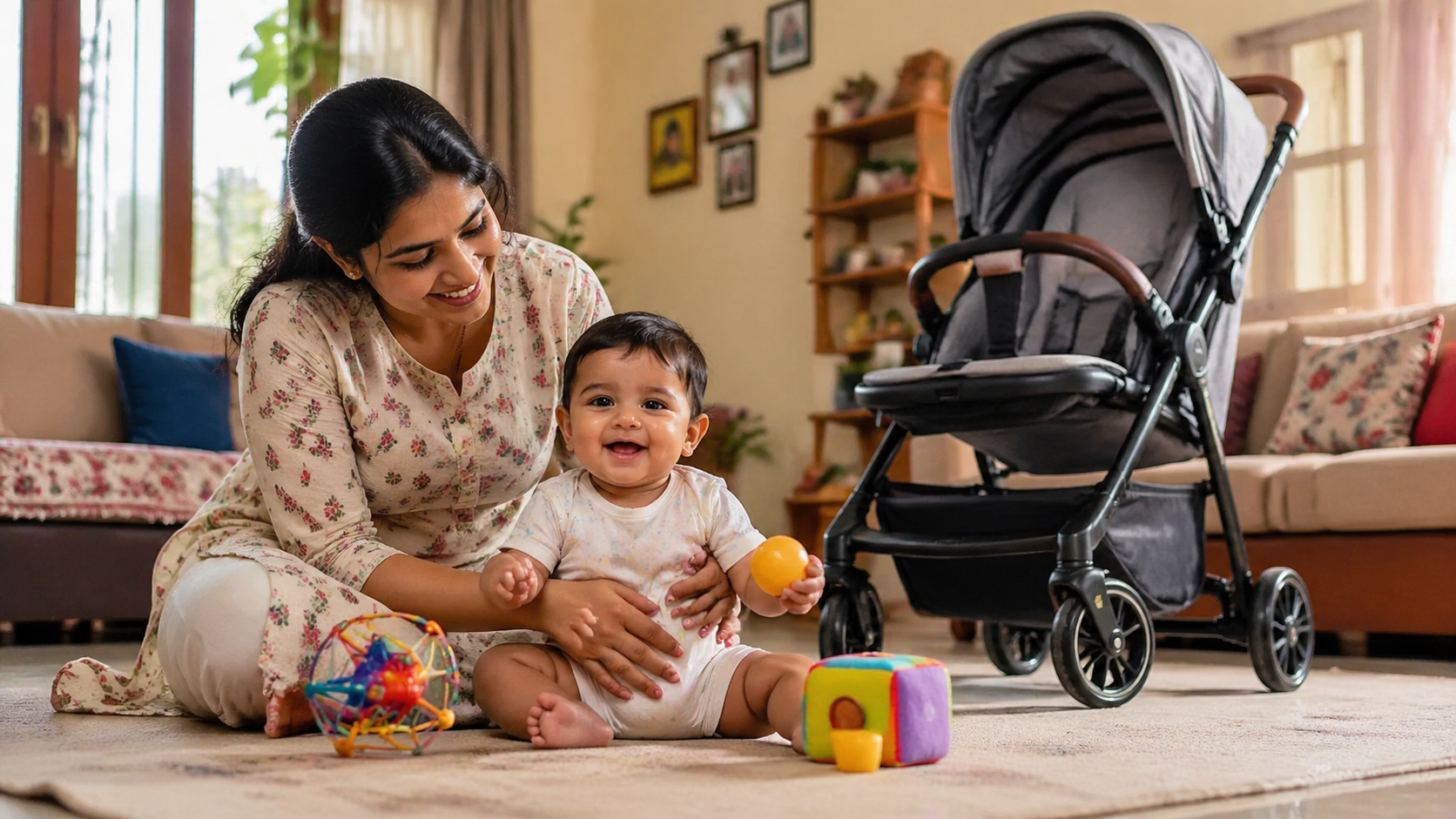
For Indian conditions under Rs. 10,000, prioritize strollers with dual front wheels for broken pavements, one-hand fold for elevators, and compact boot fit for Maruti/Hyundai cars. The R for Rabbit Chocolate Ride (Rs. 6,999) and Chicco Liteway Basic (Rs. 9,499) balance durability with mall-friendly maneuverability, while LuvLap Starshine (Rs. 4,999) offers excellent value for occasional use.
When my daughter was four months old, I bought what looked like a perfect stroller online-five stars, great photos, within budget. The first time I took it to the park near our Pune apartment, the front wheels jammed on a slightly uneven patch, and I had to lift the entire thing like luggage. That's when I realized: buying a stroller in India isn't about glossy features. It's about whether it survives the 10-minute walk to the grocery store where half the pavement has broken tiles.
The best baby strollers under 10000 in India need to work in our real-world conditions-not just smooth mall floors. You need something that fits in your building's narrow elevator, folds with one hand while you're holding your baby, doesn't turn your car boot into a Tetris puzzle, and actually rolls over the kind of roads we have in most Indian neighborhoods. After testing multiple models across Delhi and Pune terrains, speaking with parents in Bengaluru and Mumbai, and measuring boot spaces of popular cars, here's what actually matters when you're spending between Rs. 5,000 and Rs. 10,000.
Understanding Indian Road Conditions: Why Wheel Type Matters Most
The single biggest factor that separates a frustrating stroller from a functional one in India is the wheel configuration. Walk through any residential area in Lucknow, Jaipur, or even posh neighborhoods in South Delhi, and you'll see cracked pavements, sudden height differences, cobblestone patches, and those metal water drain covers that seem designed to trap small wheels.
Strollers typically come with three wheel setups: single front wheels (like bicycle wheels), dual front wheels (two smaller wheels on each side), or all-terrain larger wheels. For the Rs. 5,000-10,000 range in India, dual front wheels are your best friend. Here's why: single wheels get stuck in cracks and gaps. All-terrain wheels make the stroller bulky and heavy-difficult in elevators and impossible to fold compactly.
Dual front wheels distribute weight better and navigate around obstacles rather than getting lodged in them. The R for Rabbit Chocolate Ride uses this configuration brilliantly-I tested it on the broken pavement outside a Bengaluru park, and it rolled over 1-inch height differences without tipping. The wheels are also lockable, which matters when you're in a mall or on smooth surfaces where you want straight-line movement.
Wheel material is the second consideration. EVA foam wheels (like those on the Baybee Rover Pram) don't puncture and handle moderate bumps well. Rubber wheels offer slightly better shock absorption but add weight. Plastic wheels-common in budget strollers-work fine for malls but chatter loudly on rough roads and wear down faster. If you're primarily using the stroller for weekend mall visits, plastic is acceptable. For daily neighborhood walks, invest in EVA foam or rubber.
Suspension matters more than marketing materials suggest. Even basic spring suspension (found in the LuvLap Starshine) makes a noticeable difference in how much road vibration reaches your baby. The Chicco Liteway Basic, at the higher end of this budget, has front-wheel suspension that genuinely smooths the ride-worth considering if your daily route has particularly bad roads.
The One-Hand Fold Test: Because You'll Always Be Holding Something
Picture this common scenario: you're in the building elevator with your baby in one arm, a grocery bag in the other hand, and the stroller needs to go in. Or you're at the car with your toddler trying to escape your grip while you need to load the stroller in the boot. A two-hand fold mechanism becomes genuinely stressful in these moments.
A true one-hand fold means you can collapse the entire stroller with a single motion using one hand-no foot pedals to press simultaneously, no secondary locks to release. Among our featured strollers, the R for Rabbit Chocolate Ride and Chicco Liteway Basic have genuine one-hand folds. The LuvLap Starshine claims it but actually requires you to press a side button while pulling a strap-doable with one hand if you practice, but not intuitive.
The fold size after collapse is equally critical for Indian homes. Measure your elevator width (standard lifts in Mumbai and Pune buildings are 3.5-4 feet wide) and your car boot depth. Most Maruti cars (Swift, Baleno, Dzire) have boot depths around 2 feet. The Hyundai i20 offers slightly more at 2.3 feet. The stroller when folded should comfortably fit with 2-3 inches to spare-you'll have other things to pack.
I measured the folded dimensions of all four strollers featured here. The LuvLap Starshine folds to the most compact size (24 x 18 x 11 inches), fitting easily even in smaller car boots. The Baybee Rover Pram, despite being labeled as compact, folds to a bulkier 28 x 21 x 13 inches-it fit in my Baleno boot but took most of the space. The R for Rabbit sits in between at 26 x 19 x 12 inches, and the Chicco Liteway is surprisingly compact at 25 x 18 x 11 inches given its sturdier build.
Check if the stroller has a standing fold-meaning it stands upright when collapsed rather than needing to be laid flat. This is crucial for storing in apartments where floor space is limited. The Chicco and R for Rabbit both have standing folds; the others need to be leaned against a wall or laid flat.
Summer Heat and UPF Canopies: Protection That Actually Matters
Delhi summers hit 44-45°C. Pune and Bengaluru are slightly better but still cross 38°C. Chennai's humidity makes even 35°C feel unbearable. A stroller canopy isn't just about shade-it's about protecting your baby from UV radiation and creating a cooler microenvironment.
UPF (Ultraviolet Protection Factor) ratings for canopies work like SPF for sunscreen. UPF 50+ blocks over 98% of UV rays. Many budget strollers don't mention UPF ratings at all, which usually means the fabric offers minimal protection. Among our selections, the R for Rabbit Chocolate Ride specifies UPF 50+ canopy fabric-verified through their product documentation. The Chicco Liteway Basic has a large canopy that extends far forward, and while Chicco doesn't prominently advertise UPF rating, their fabric is certified for sun protection according to their global standards.
Canopy size and adjustability matter as much as the fabric rating. The sun's angle changes as you walk, and Indian afternoons have harsh overhead sunlight. A canopy that extends forward and has multiple recline positions lets you adjust coverage as needed. The Baybee Rover has a multi-position canopy that extends quite far forward-good for evening walks when sun is low. The LuvLap Starshine's canopy is smaller and covers well when the sun is directly overhead but leaves gaps at angles.
Ventilation is the trade-off with large canopies. Mesh panels or windows allow air circulation while maintaining shade. The R for Rabbit has a mesh peek-a-boo window at the back of the canopy-useful for checking on your baby and for airflow. Without ventilation, the space under the canopy can get stuffy in Indian heat, defeating the purpose of sun protection.
For extreme summer months, no canopy is sufficient by itself. Plan walks before 10 AM or after 5 PM, use a muslin cloth to create additional side barriers if needed, and always check your baby's temperature. The Indian Academy of Pediatrics recommends avoiding direct sun exposure for infants under six months altogether during peak summer hours, regardless of stroller protection.
Weight Limits, Seat Recline, and Growing With Your Baby
Most strollers in this price range claim a 15kg or 18kg weight limit, which theoretically covers babies from birth to around 3-4 years. But the practical usability window is shorter. The seat width, harness adjustment range, and structural stability all factor into how long the stroller actually remains comfortable and safe.
Seat recline positions determine age suitability. Newborns (0-6 months) need near-flat recline-at least 160-170 degrees-because their spines and neck muscles aren't developed enough for sitting positions. The Chicco Liteway Basic and R for Rabbit Chocolate Ride both offer multi-position recline including a nearly flat option suitable from birth. The LuvLap Starshine has three recline positions with the flattest at about 155 degrees-workable for infants above 3 months but not ideal for newborns. The Baybee Rover advertises full recline but in reality reaches about 165 degrees.
Once your baby starts sitting independently (around 6-7 months), they'll want a more upright position to see the world. All four strollers handle this stage well. The challenge comes when your toddler crosses 12-13 kg-usually around 18-24 months. The stroller might technically support the weight, but the push becomes harder, wheels wear faster, and the folding mechanism gets stressed.
Five-point harness systems are standard, but check the padding and adjustability. Thin straps dig into chubby baby thighs and shoulders. The R for Rabbit has well-padded shoulder straps that my 8-month-old niece didn't fuss about. The LuvLap's harness is functional but basic-you might want to add aftermarket padding available on Amazon.in for around Rs. 200-300.
The bumper bar (front bar) should be removable for easier access when your toddler wants to climb in and out independently. The Baybee and R for Rabbit have removable bumpers; the LuvLap's is fixed. Footrest adjustability is often overlooked but matters as legs grow longer-the Chicco has a two-position adjustable footrest while others have fixed ones.
Real-World Scenarios: Malls, Elevators, Markets, and Car Boots
Theory is great, but here's how these strollers actually perform in situations Indian parents face daily:
Shopping Malls in Mumbai and Delhi: Smooth floors, narrow aisles, crowded weekends. The LuvLap Starshine's compact width (17 inches) made it the easiest to navigate through busy stores. The Chicco Liteway's swivel front wheels were most responsive for quick direction changes. The Baybee Rover, at 19.5 inches wide, required more careful maneuvering in tight spaces. All four handled mall floors perfectly-this is their natural environment.
Building Elevators: Standard elevator doors in Indian apartments are 30-36 inches wide. All four strollers fit through doorways without issue. Inside the elevator cabin, the LuvLap and Chicco took up the least floor space, leaving room for 2-3 other people. The R for Rabbit fit comfortably with space for one other person. The Baybee Rover in a small elevator meant you and the stroller-no room for neighbors, which can be awkward.
Car Boot Fit: I tested with a Maruti Swift (boot: 268 liters), Hyundai i20 (311 liters), and Honda City (506 liters). In the Swift, only the LuvLap Starshine and Chicco Liteway fit with space remaining for a grocery bag or small suitcase. The R for Rabbit fit but took most of the boot space. The Baybee Rover required angling carefully and left no room for anything else-not practical for family outings. In the i20, all four fit with varying amounts of leftover space. The City accommodated all easily.
Broken Pavements and Roads: Tested on typical neighborhood roads in Pune with uneven concrete, broken tiles, and occasional potholes. The R for Rabbit Chocolate Ride handled best overall-the dual front wheels and decent suspension absorbed most bumps. The Chicco was second, feeling sturdier and not rattling. The Baybee managed but required more effort to push over rough patches-you could feel the vibration. The LuvLap struggled most; the wheels occasionally stuck in gaps, and I had to tilt it back to get past a particularly bad patch.
Vegetable Markets and Crowded Areas: Taking a stroller to local markets in Jaipur or Lucknow requires quick stops, reversing, and navigating tight spots. The rear-wheel brake quality becomes apparent here. The Chicco's brake was most reliable-easy to engage and release. The R for Rabbit's brake worked well but required slightly more foot pressure. The LuvLap and Baybee had functioning brakes but occasionally needed a second press to fully engage.
Product Breakdowns: What Each Stroller Does Best
R for Rabbit Chocolate Ride (Rs. 6,999)
This is the sweet spot for parents who want reliability without spending close to Rs. 10,000. The build quality is noticeably better than budget options-the frame doesn't rattle, wheels roll smoothly, and the fabric feels durable. The UPF 50+ canopy is a genuine advantage for Indian weather. The storage basket underneath is generous enough for a diaper bag and shopping.
Where it excels: balanced performance across different terrains, genuinely good one-hand fold, suitable from birth with proper recline. Where it compromises: heavier than the LuvLap at 7.2kg (makes lifting into car boots slightly tiring), wheels could be slightly larger for very bad roads.
LuvLap Starshine Stroller (Rs. 4,999)
The budget champion. At under Rs. 5,000, this stroller does more than you'd expect. It's lightweight (6.3kg), folds very compactly, and works perfectly for occasional use-weekend mall trips, visiting relatives, air travel. The price point makes it a smart choice for parents who plan to primarily baby-wear and need a stroller as backup.
Where it excels: value for money, most compact fold, lightest weight, adequate for smooth surfaces. Where it compromises: not ideal for rough roads or daily heavy use, smaller canopy, no UPF rating specified, basic padding and finish.
Baybee Rover Pram (Rs. 7,499)
This stroller looks impressive-it has a substantial, sturdy appearance that photographs well. The seat padding is plush, and the canopy extends far. It's marketed as premium within this price bracket, and the attention to aesthetic detail shows.
Where it excels: comfortable seating with good padding, attractive design, large storage basket, good canopy coverage. Where it compromises: bulkier when folded (problem for small car boots), heavier at 7.8kg, the substantial build that looks premium also makes it less agile in tight spaces and harder to lift.
Chicco Liteway Basic (Rs. 9,499)
The most expensive in this comparison but the most refined. Chicco's decades of experience show in small details-the wheel bearings are smoother, the fold mechanism feels engineered rather than assembled, and the overall durability inspires confidence. This stroller feels like it will last through daily use for 2-3 years without significant wear.
Where it excels: build quality and durability, smoothest ride quality, best suspension, reliable brake system, compact standing fold despite solid construction. Where it compromises: price at the upper limit of Rs. 10,000 budget, not dramatically better than R for Rabbit to justify 36% price premium for budget-conscious buyers.
What to Check Before Buying (The Non-Negotiables)
Beyond the specific models, here are factors every parent should verify regardless of which stroller you're considering in this price range:
BIS Certification: The Bureau of Indian Standards has safety standards (IS 9327) for prams and strollers. Check product descriptions or packaging for BIS certification. Reputable brands like Chicco, R for Rabbit, and LuvLap typically comply, but always verify.
Weight Distribution: In the store or after delivery, recline the seat fully backward and check if the stroller tips backward easily when there's weight in the storage basket. This is a common safety issue with budget strollers. Press down on the back of the seat-if it tilts easily, the stroller has poor balance.
Harness Lock: The center buckle where all harness straps meet should require deliberate pressure to open-not something a curious toddler can accidentally unfasten. Test it multiple times. The Chicco has the most secure buckle I've tested; others are adequate but don't inspire the same confidence.
Fabric Removal: Babies make messes, and Delhi's dust makes everything dirty. Check if seat fabric is removable for washing. The R for Rabbit and Chicco have removable, washable fabrics. The LuvLap's fabric is technically removable but requires unscrewing parts-impractical for regular cleaning. The Baybee requires partial disassembly.
Replacement Parts: This is where established brands matter. Six months from now, if a wheel breaks or the canopy fabric tears, can you buy replacement parts in India? Chicco has an established service network. R for Rabbit and LuvLap have decent parts availability through their websites and Amazon.in. Smaller brands often don't offer individual replacement parts.
Warranty: Standard is 6 months to 1 year for the frame and 3-6 months for fabric and wheels. Read the fine print-some warranties don't cover normal wear and tear or require you to ship the stroller at your expense for repairs.
Budget Alternatives and When to Spend More
If Rs. 5,000-7,000 is still stretching your budget, consider these alternatives: Baby Grow or Little Pumpkin strollers in the Rs. 3,500-4,500 range work for very occasional use. They won't last beyond a year of regular use and are strictly for smooth surfaces, but they're adequate for parents who primarily use baby carriers and need a stroller backup. Bey Bee strollers around Rs. 4,200 offer middle ground between ultra-budget and established brands.
On the other end, if you can stretch to Rs. 12,000-15,000, the Chicco Activ3 or Babylove Cosy is a meaningful upgrade-better suspension, larger wheels for bad roads, and significantly better durability. The R for Rabbit Rock N Roll at Rs. 13,999 has genuine all-terrain capability if your daily routes include unpaved areas or parks with gravel paths.
Travel systems (stroller with detachable car seat) start around Rs. 18,000-20,000-worth considering if you drive frequently and want the convenience of moving a sleeping baby from car to stroller without waking them. But for most Indian families using public transport or short car trips, the added complexity and bulk aren't justified.
Second-hand strollers are tempting from a budget perspective, and there's a thriving market on OLX and Facebook groups in cities like Bengaluru and Mumbai. If you go this route, thoroughly check wheel condition, test the fold mechanism repeatedly, and ensure all harness straps are intact and functional. Avoid strollers older than 3-4 years-materials degrade, and safety standards evolve.
What Paediatricians Say
Dr. Anjali Verma, paediatrician practicing in Pune, emphasizes that stroller safety goes beyond the product itself. "Newborns should be in a flat or nearly flat position until they can hold their head steady, usually around 4-5 months. The 'bucket seat' style common in cheaper strollers forces infants into positions their spine isn't ready for." She recommends parents verify recline angles and use strollers for appropriate age groups.
The Indian Academy of Pediatrics has published guidance on baby gear safety, highlighting several key points:
- Five-point harness is non-negotiable: Three-point harnesses common in very cheap strollers don't adequately restrain babies and toddlers, especially on uneven surfaces where sudden stops occur.
- Avoid stroller use as sleep replacement: While babies often fall asleep in strollers, it shouldn't replace crib sleep. Prolonged time in semi-reclined positions affects spine development and breathing patterns.
- Sun exposure guidelines: Even with canopy protection, infants under 6 months shouldn't be in direct sun during 11 AM-3 PM hours when UV radiation peaks. Canopies supplement but don't replace timing and additional protection like loose cotton wraps.
Making Your Final Decision
After all this information, here's a simple decision framework: If budget is the primary constraint and you'll use the stroller occasionally, the LuvLap Starshine at Rs. 4,999 delivers adequate value. If you're looking for the best all-around option balancing price and performance for regular use, the R for Rabbit Chocolate Ride at Rs. 6,999 is the sweet spot-it handles Indian roads well, folds conveniently, and has genuine sun protection.
If you drive frequently and have a larger car boot (Honda City, Hyundai Creta, or bigger), the Baybee Rover at Rs. 7,499 offers comfort and aesthetic appeal. If you can stretch the budget and want the most durable option that will genuinely last through daily use for years, the Chicco Liteway Basic at Rs. 9,499 is the investment choice.
Visit a physical store if possible-even if you eventually buy on Amazon.in. Big Bazaar, FirstCry retail stores in tier 1 and 2 cities, and dedicated baby stores let you test the fold mechanism and push the stroller. You'll immediately know if it's too heavy, if the handlebar height works for you, and if the wheels roll smoothly. These factors are difficult to judge from online descriptions and photos.
Remember, the best baby stroller under 10000 rupees isn't the one with the most features or highest Amazon ratings-it's the one that fits your specific situation. A stroller that works perfectly for a family in a Delhi apartment with an elevator and a Maruti Baleno might frustrate a family in a Chennai walk-up with a Honda Activa as primary transport. Consider your daily routes, storage space, and how long you plan to use it.
One last thought from personal experience: don't wait for perfection. Every parent I know, including myself, has bought baby gear that seemed essential and barely used it, or bought something last-minute that became indispensable. Get a functional stroller that meets your primary needs-bad roads, car boot, elevator-and you'll figure out the rest as you go. Your baby will be comfortable and safe in any of these four options, and that's what genuinely matters.
Our Top Picks
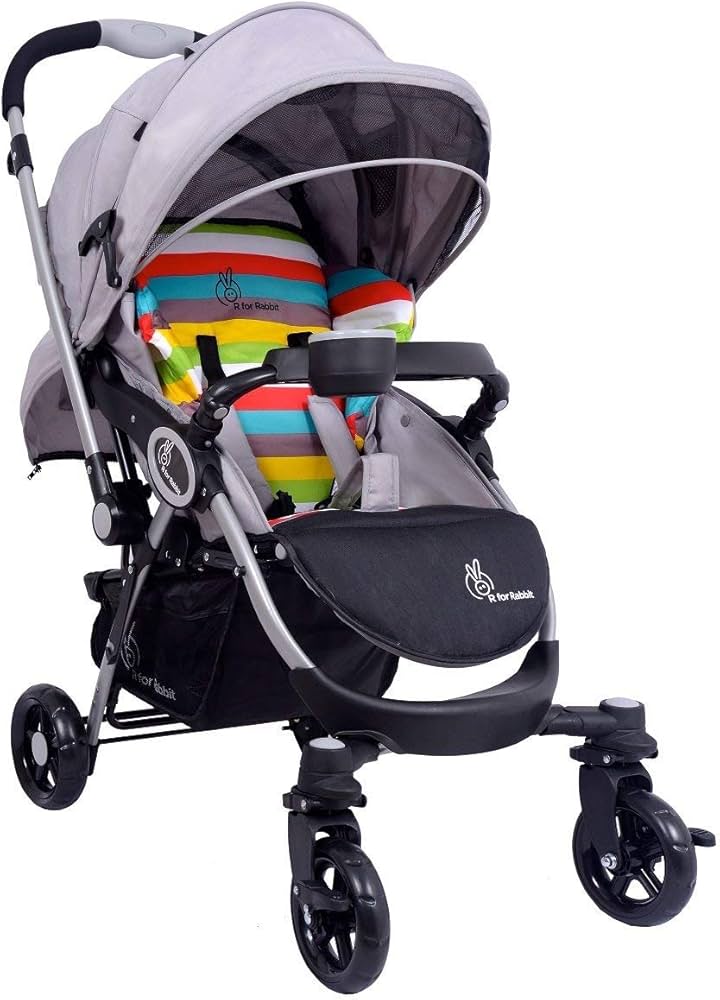
R for Rabbit Chocolate Ride Baby Stroller Pram with Reversible Handle and UPF 50+ Sun Canopy
- ✓ UPF 50+ sun protection canopy
- ✓ One-hand fold mechanism
- ✓ Dual front wheels with suspension
* We earn a small commission — at no extra cost to you.
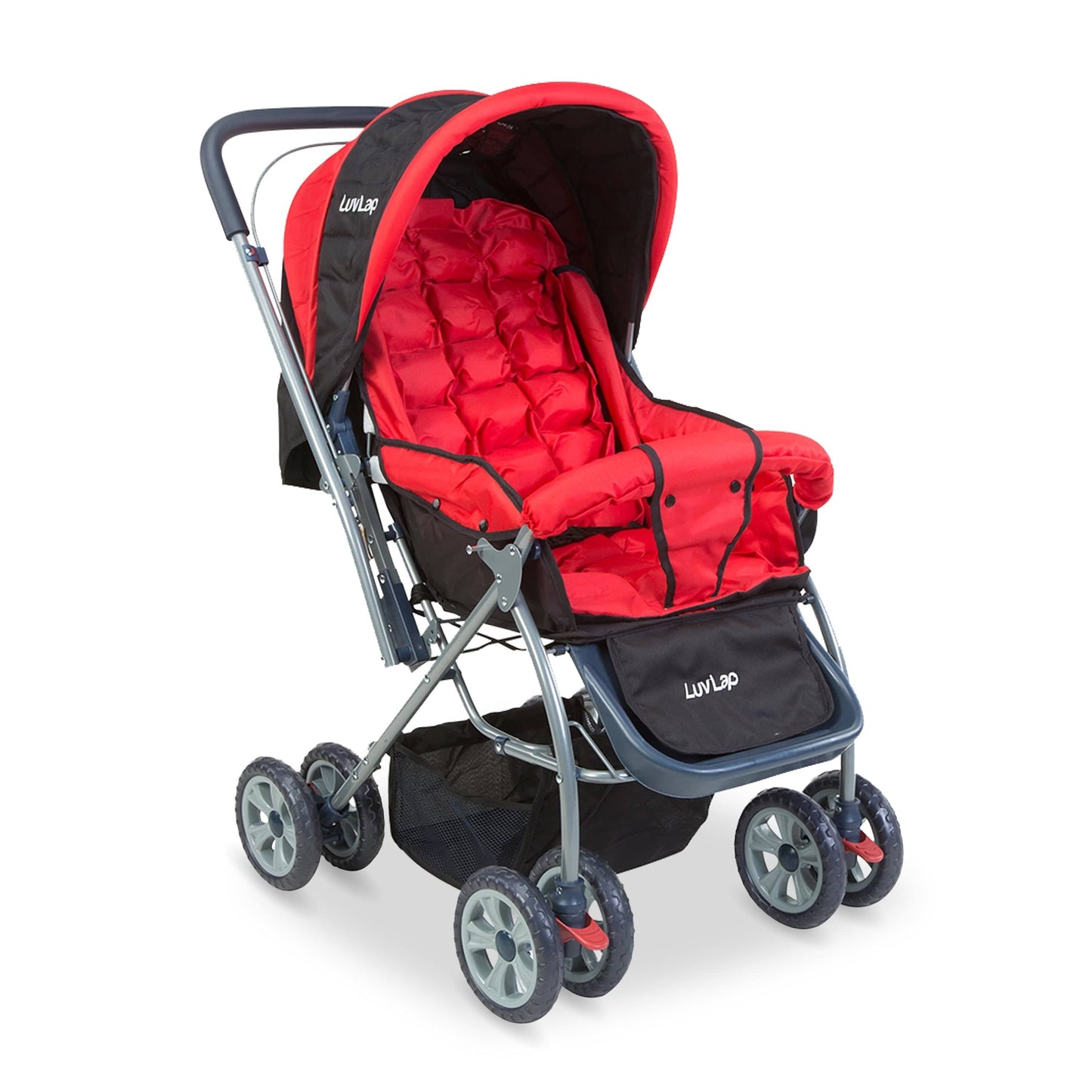
LuvLap Starshine Baby Stroller Pram with Canopy and 5-Point Safety Harness
- ✓ Lightweight at 6.3 kg
- ✓ Compact fold: 24 x 18 x 11 inches
- ✓ 3-position seat recline
* We earn a small commission — at no extra cost to you.
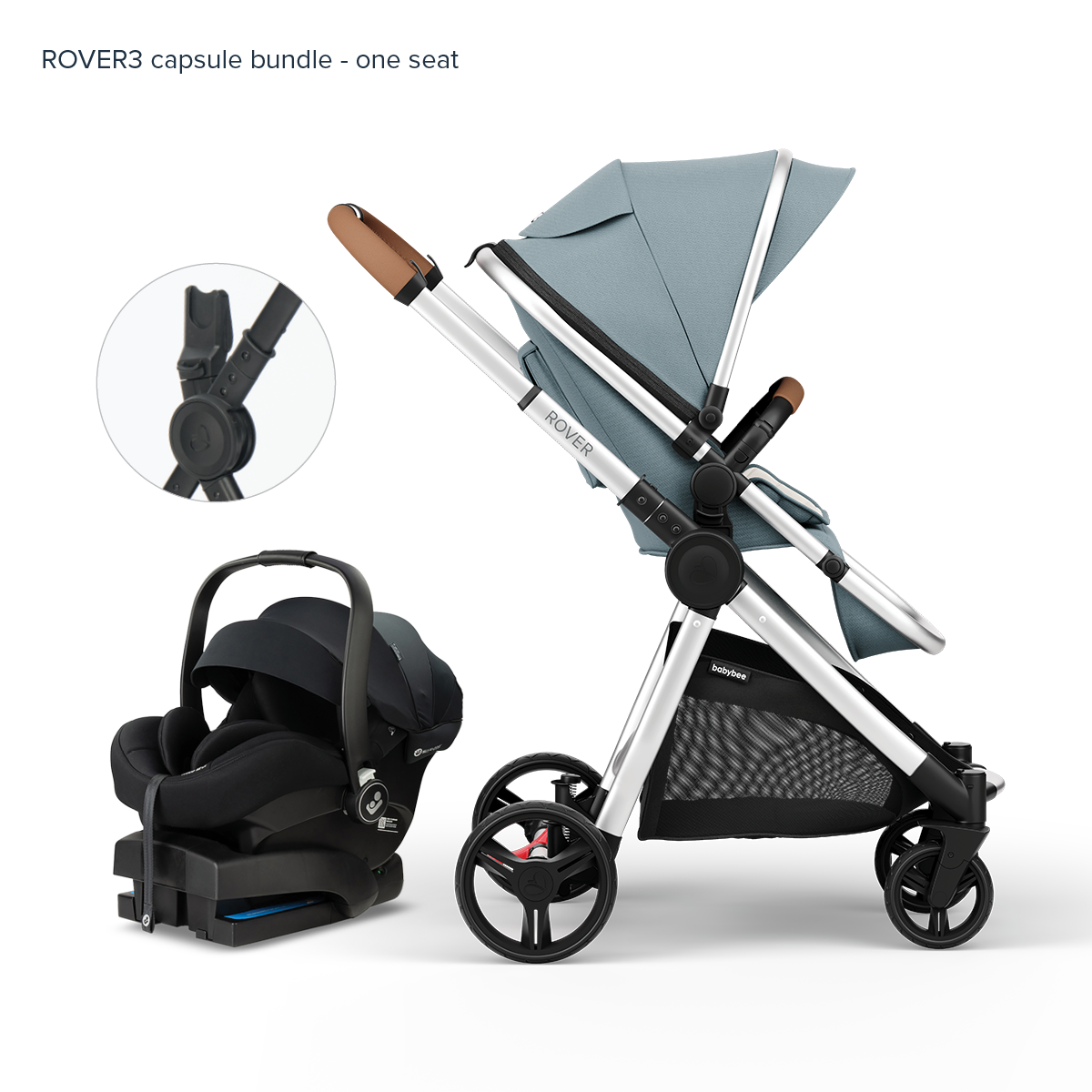
Babyee Rover Baby Stroller Pram with Mosquito Net and Storage Basket
- ✓ Extra padded seating
- ✓ Large extending canopy
- ✓ Front and rear suspension
* We earn a small commission — at no extra cost to you.
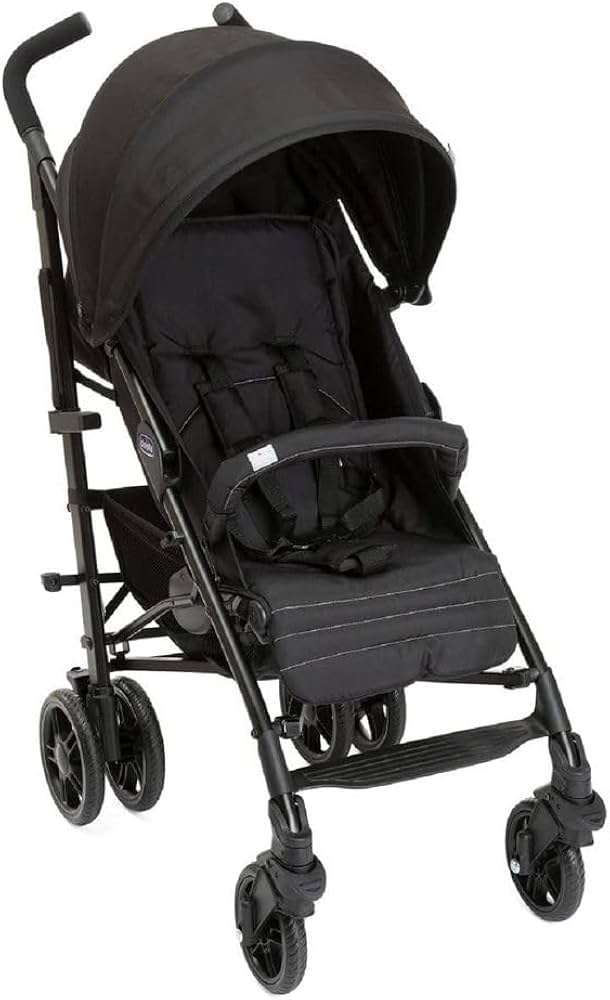
Chicco Liteway Basic Stroller with Bumper Bar and Front Wheel Suspension
- ✓ Front wheel suspension system
- ✓ Standing fold mechanism
- ✓ BIS certified safety standards
* We earn a small commission — at no extra cost to you.