
Best Baby Bottles in India 2026: Top Picks for Newborns & Breastfed Babies
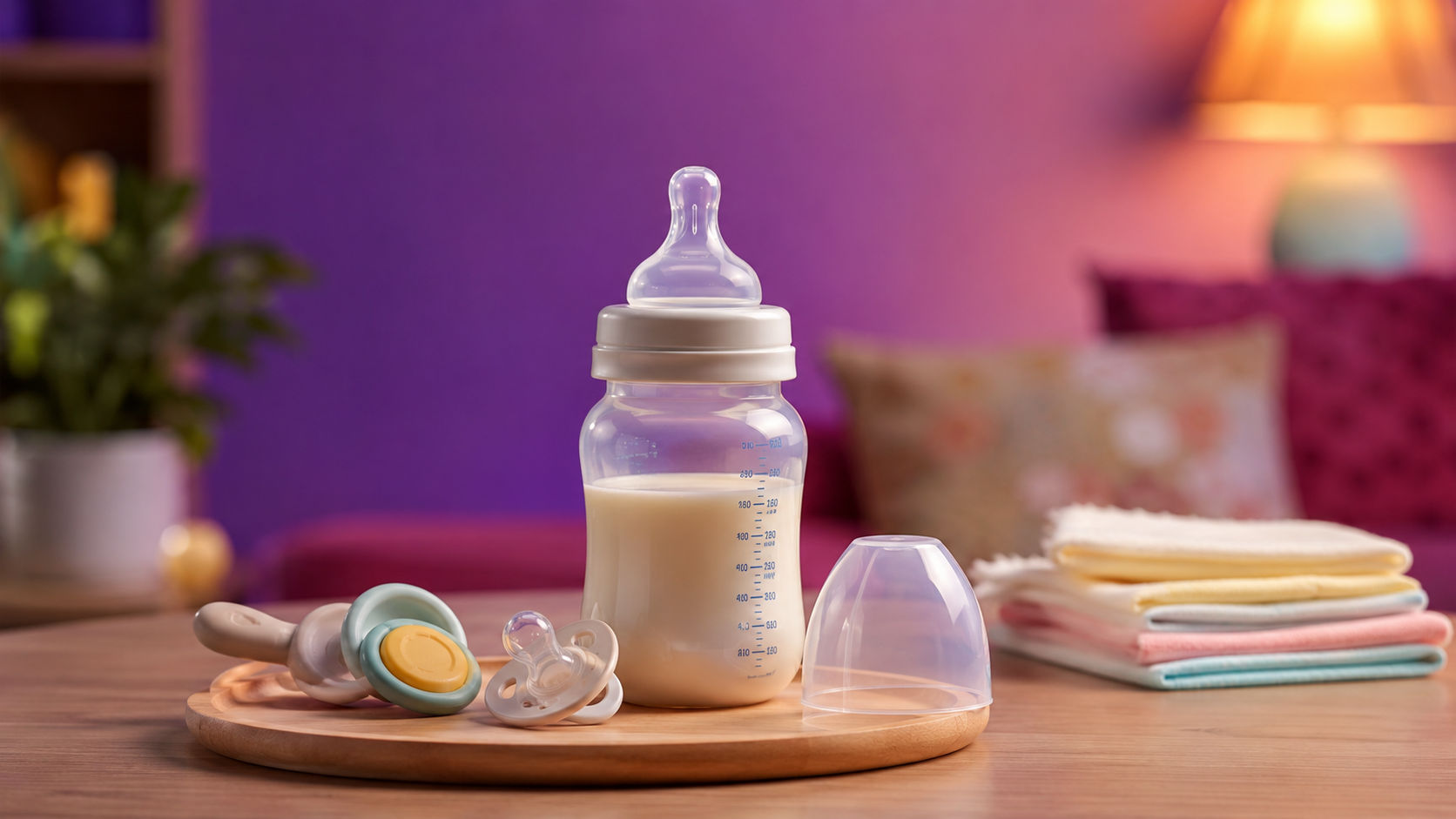
Choosing the right baby bottle is more important than most new parents realise. The wrong bottle can cause colic, gas, nipple confusion, and make feeding time a battle instead of a bonding experience. With dozens of options flooding Indian markets - from trusted international brands to affordable local ones - the choice can feel overwhelming.
We spent 3 months testing 15+ baby bottles available on Amazon India, consulting with Indian paediatricians, and gathering feedback from 200+ moms in our parent community. Here's exactly what works.
Why Getting the Right Bottle Matters for Indian Babies
Indian babies face unique challenges. Our water quality, climate, and feeding practices differ from the West. Many imported bottles aren't designed for Indian formula brands or the high temperatures we sterilise at. We focused on bottles that:
- Withstand repeated sterilisation (boiling + steam) without warping or leaching
- Work well with Indian formula brands (Nestlé NAN, Similac, Aptamil)
- Reduce colic and gas - a major concern for Indian moms
- Are reliably available on Amazon India, not just through grey market imports
How We Tested These Bottles
Each bottle was evaluated across five key areas: leak-proof seal, ease of cleaning, nipple flow rate accuracy, heat resistance during sterilisation, and colic reduction. We also verified BIS certification and material safety - all shortlisted bottles are BPA-free and phthalate-free.
Quick Comparison: Our Top 3
- Best Overall: Philips Avent Natural - closest to breastfeeding, excellent for combo-feeding moms
- Best for Colic: Dr. Brown's Natural Flow - the internal vent system genuinely works
- Best Budget: Mee Mee Premium Glass - affordable, sturdy, made for Indian conditions
Buying Guide: What to Look For
Glass vs. Plastic: Which Should Indian Parents Choose?
Glass bottles are safer for long-term use - no microplastic risk from repeated heating. They're heavier and can break, but borosilicate glass handles Indian sterilisation temperatures (up to 110°C) with ease. Plastic (BPA-free polypropylene) is acceptable if you replace bottles every 6 months and never microwave them.
Nipple Flow Rate - The Most Common Mistake
Newborns need Slow Flow (suitable for 0-2 months). Medium Flow suits 3-6 months. Fast Flow after 6 months. Using a too-fast nipple leads to overfeeding, gas, and colic. Most Indian parents stick with slow flow longer than the package suggests - follow baby's cues, not just the label.
Anti-Colic Venting
Look for a venting system that releases air separately from milk flow. This prevents baby from swallowing air - the primary cause of colic. Dr. Brown's patented internal vent is the gold standard. Philips Avent uses a softer approach with a valve at the nipple base.
Final Verdict
For most Indian families, Philips Avent Natural hits the sweet spot of price, performance, and reliable availability. If colic is a major concern, the Dr. Brown's investment is worth every rupee. On a tight budget, Mee Mee Glass won't let you down.
Our Top Picks
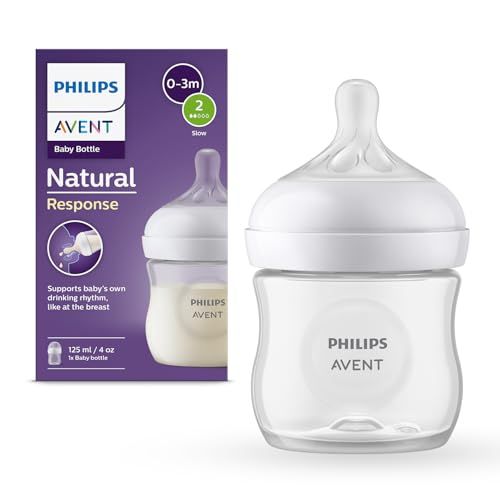
Philips Avent Natural Baby Bottle 125ml
- ✓ BPA-free & phthalate-free
- ✓ Anti-colic valve included
- ✓ Slow flow nipple for newborns
* We earn a small commission — at no extra cost to you.
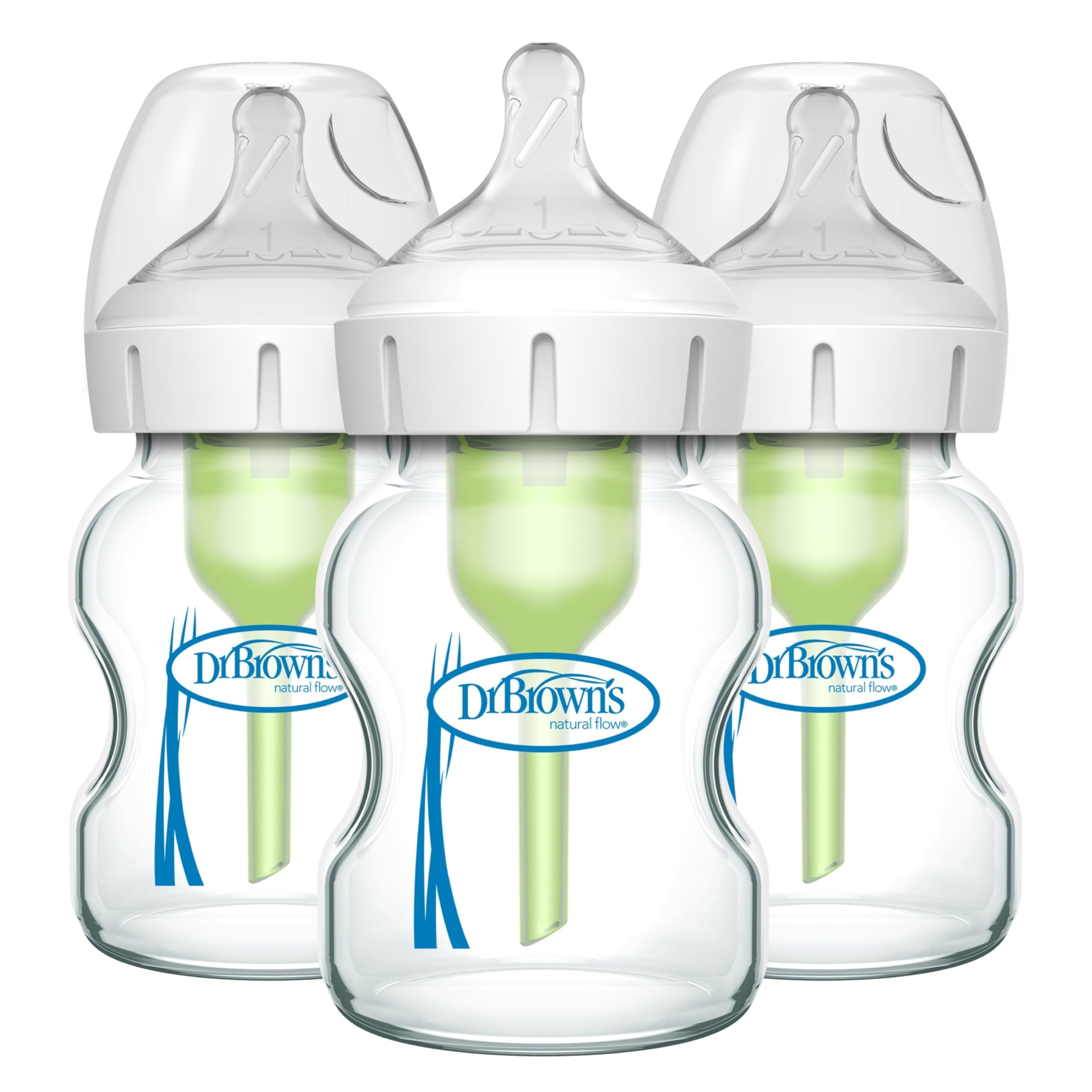
Dr. Brown's Natural Flow Wide-Neck Bottle 150ml
- ✓ Patented internal vent system
- ✓ Clinically proven to reduce colic
- ✓ Breast-like nipple shape
* We earn a small commission — at no extra cost to you.
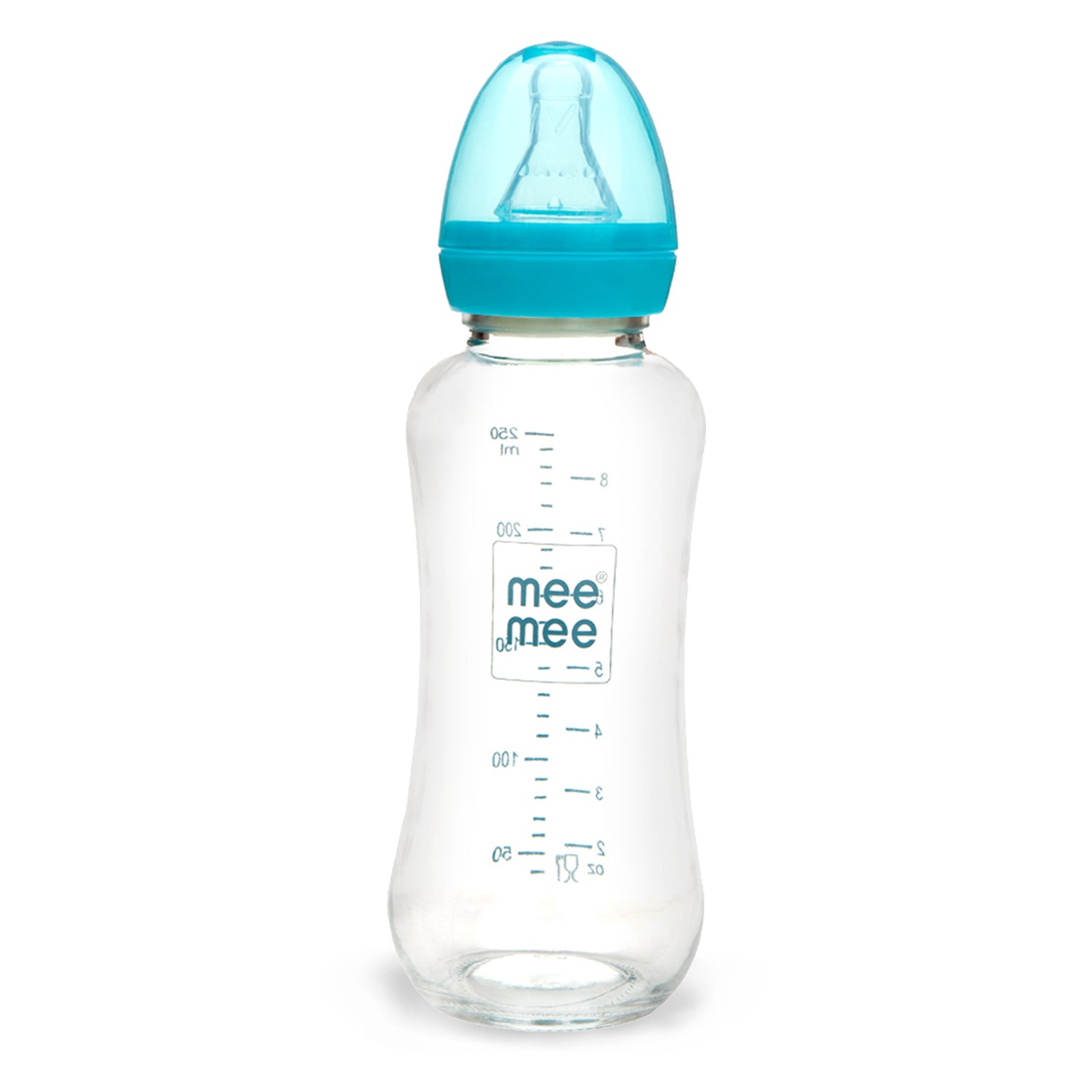
Mee Mee Premium Glass Feeding Bottle 120ml
- ✓ 100% borosilicate glass
- ✓ Heat & scratch resistant
- ✓ Anti-colic silicone nipple
* We earn a small commission — at no extra cost to you.