Best Breast Pumps in India Under ₹2000: Manual & Electric for Working Moms

Returning to work three months after delivery and panicking about milk supply? You're not alone. Most Indian working moms hit the breast pump aisle on
₹500 to ₹1000 - Sweet Spot
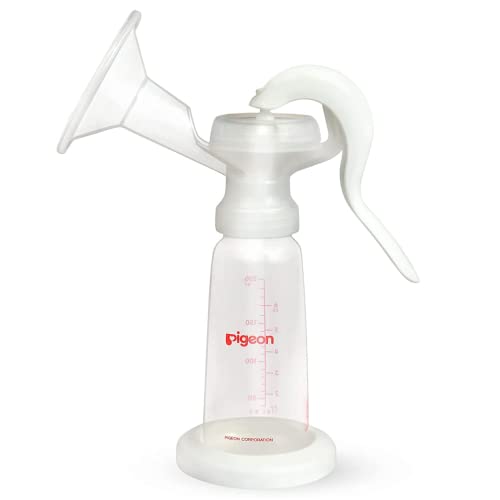
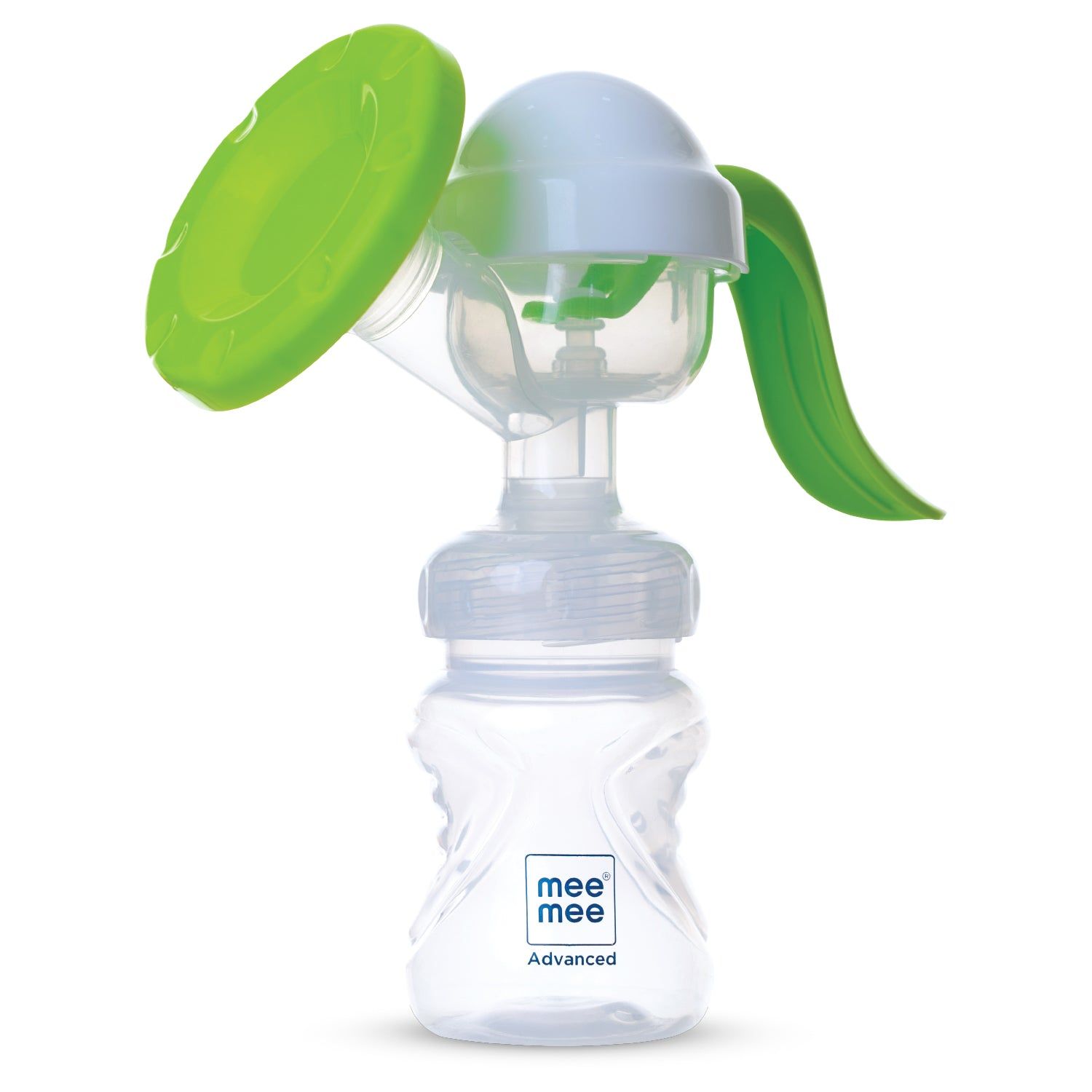
This is where most working moms should shop. Pumps in this range have soft silicone flanges, smoother suction, and last longer. Pigeon dominates here.
₹1000 to ₹2000 - Premium Manual or Basic Electric
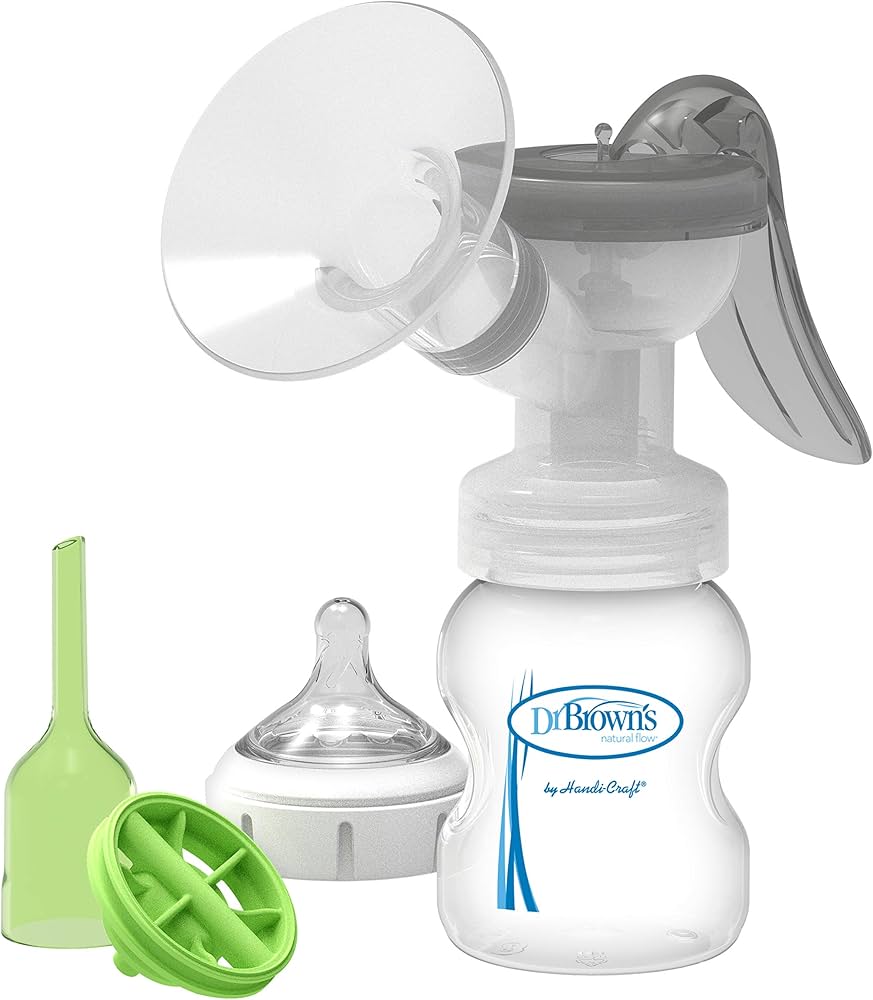
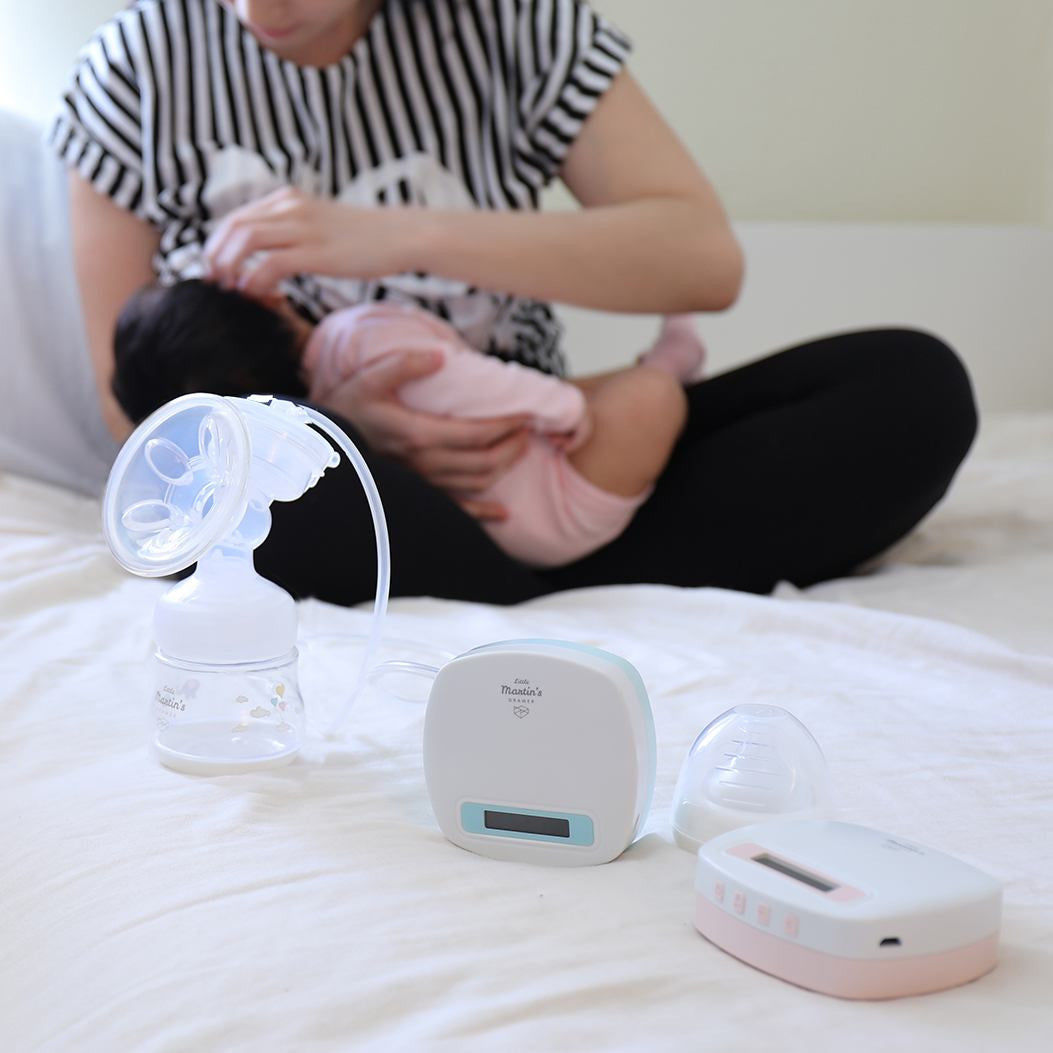
Either a premium manual like Dr. Brown's, or a budget electric like Little Martin's. Honestly? A great manual beats a cheap electric most days.
What You Sacrifice At Each Price Point
Under ₹500: weak suction, hand cramps after 10 minutes, flimsy plastic that cracks in 2 months.
₹500-₹1000: nothing major. This is the value zone.
₹1000-₹2000 manual: paying for brand reputation more than performance.
₹1000-₹2000 electric: weak motor, loud noise, short battery, fewer suction modes.
What NOT to Compromise On (Any Budget)
- BPA-free flanges - non-negotiable. Check the label.
- Soft silicone cushion - hard plastic flanges hurt and reduce milk output.
- Easy-clean parts - fewer crevices means fewer infections.
- Storage bottle compatibility - make sure it fits standard wide-neck bottles you already own.
Honest Note on Electric Pumps Under ₹2000
Electric pumps under ₹2000 in India are rare and usually not great. The Spectra, Medela, and Philips Avent electric pumps that working moms rave about start at ₹6,000+. If you have the budget, save up for one. If not, a good manual + occasional hand expression is genuinely fine.
Tip: Check Firstcry and Amazon.in during festive sales (Diwali, Republic Day, Prime Day) - the ₹6000 electric pumps drop to ₹3500 sometimes. Worth the wait.
Storing Pumped Milk in Indian Summer
Heat is your enemy. Freshly pumped milk lasts 4 hours at room temperature in AC, but only 1-2 hours in a 35°C non-AC office. Always carry a small thermos flask with ice packs. Refrigerate within an hour. Store in BPA-free bottles, not random plastic containers.
What Paediatricians Say
Indian paediatricians consistently recommend manual pumps over cheap electrics for new moms. Their reasoning is simple - manual pumps give you control, and control means comfort, and comfort means more milk.
- Wash all parts in warm soapy water after every use. Not just rinse - wash.
- Sterilise daily for first 6 months. Boiling water for 5 minutes is enough.
- Pump every 3 hours when separated from baby. This maintains supply.
The Office Pumping Reality
Toh sach ye hai - pumping at an Indian office is awkward. Most offices don't have lactation rooms. Find a clean toilet stall, a meeting room you can lock, or speak to HR. A quiet manual pump beats a loud electric one when you're hiding in a conference room. Carry wet wipes, a cover-up dupatta, and a sealed container. You'll figure out the rhythm by week two.