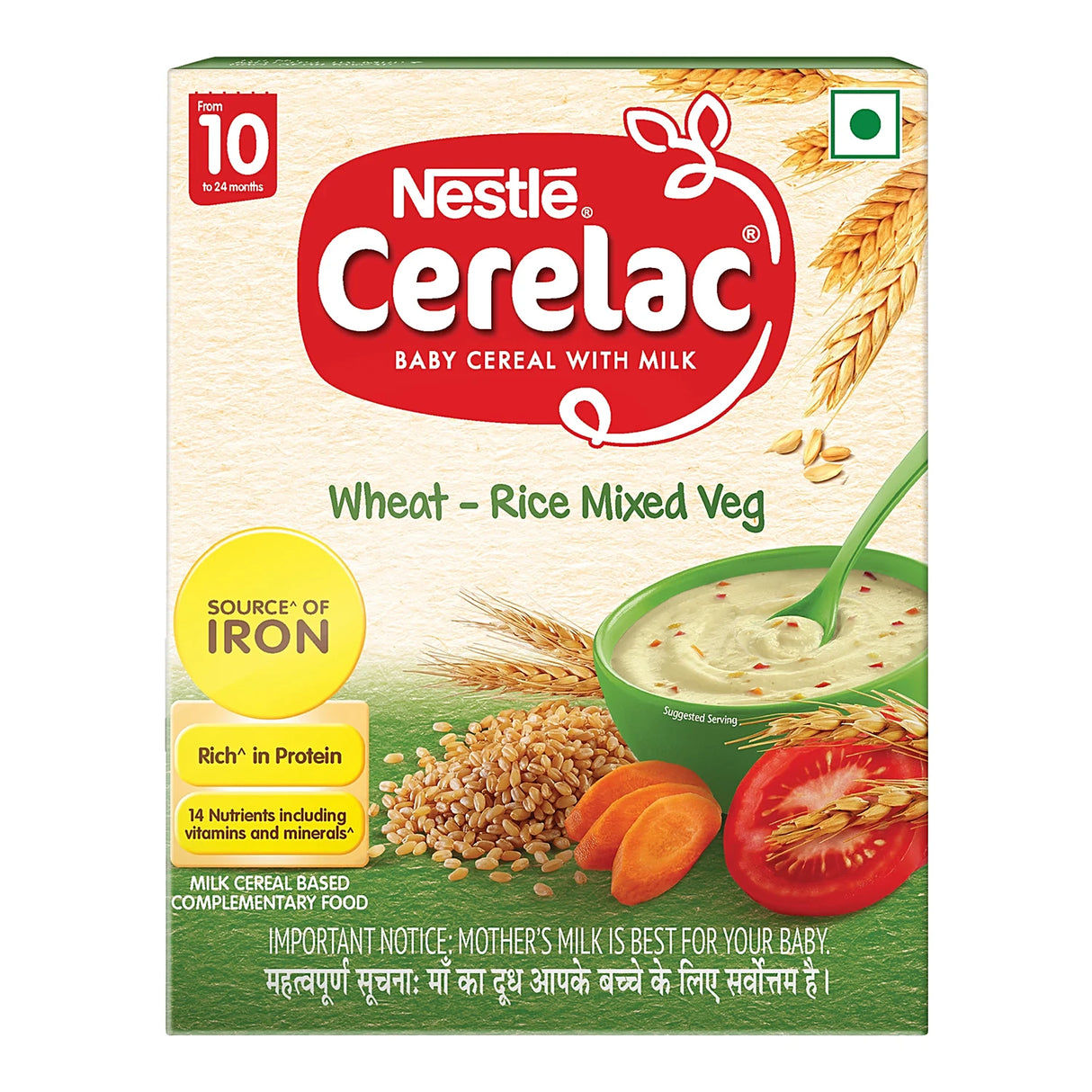
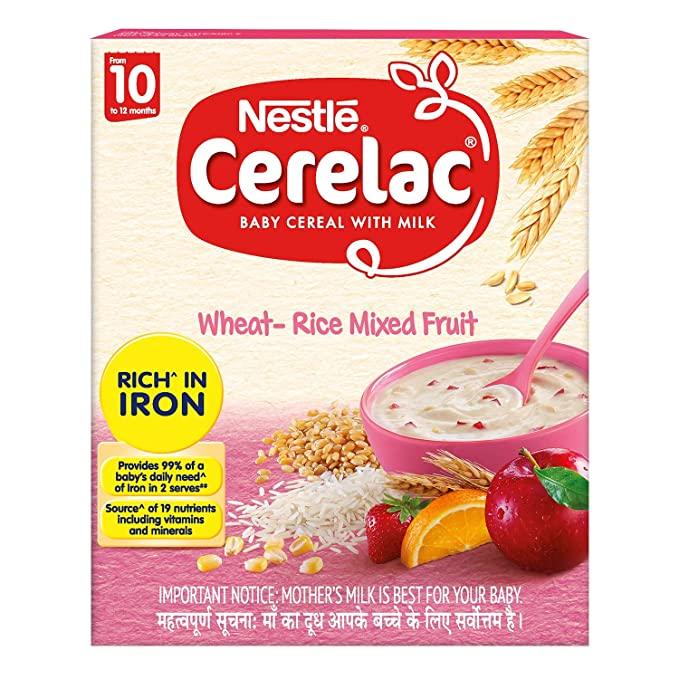
But then April 2024 happened. A report by Public Eye and the International Baby Food Action Network exposed that Nestlé was adding sugar to Cerelac sold in India and other developing countries while keeping their European variants sugar-free. Suddenly, WhatsApp mom groups exploded with panic, confusion, and a lot of guilt. Was I poisoning my baby? Should I throw out the three boxes I'd stocked up on? What do I feed her instead?
📧
Get price drop alerts for baby products!
Join 10,000+ Indian parents — free weekly deals in your inbox.
I spent the next two weeks doing what any millennial parent does-obsessive research. I read FSSAI guidelines, spoke to two pediatricians in Bengaluru, compared labels at five different stores in Pune, and tested homemade alternatives that turned my kitchen into a disaster zone. This Cerelac review is everything I learned, minus the panic and judgment, plus the practical reality of feeding a baby in India where time, budget, and family pressure are very real factors.
Understanding Cerelac: What Exactly Are You Feeding Your Baby?
Cerelac is an instant baby cereal-essentially pre-cooked, dehydrated grain (wheat, rice, or multi-grain) that's been fortified with vitamins and minerals, then processed into a powder. You add warm water or milk, stir, and within 30 seconds, you have a smooth porridge that most babies accept without fuss.
The main variants available in India are:
- Cerelac Wheat (Rs. 180 for 300g) - recommended from 6 months
- Cerelac Rice (Rs. 195 for 300g) - marketed for sensitive tummies, 6 months+
- Cerelac Multi-grain (Rs. 215 for 300g) - contains wheat, rice, oats, and corn, 8 months+
- Cerelac Wheat with Milk & Fruits (Rs. 230 for 300g) - 8 months+
Each variant is fortified with iron (approximately 4.8mg per serving), Vitamin C, calcium, and a range of B vitamins. On paper, this sounds excellent-iron deficiency is rampant among Indian babies, with ICMR studies showing 69% of children under 5 are anemic. The fortification addresses a real nutritional gap.
The ingredient list for Cerelac Wheat reads: Wheat Flour (70%), Milk Solids (20%), Sugar, Minerals, Vitamins, Vanilla Flavor, and Culture (Bifidus BL). The sugar content varies by variant, but averages 2.8-3.2g per 25g serving (about 3 tablespoons of prepared cereal).
The 2024 Sugar Controversy: What Really Happened
The April 2024 investigation found that while Cerelac sold in the UK, Germany, and Switzerland contained zero added sugar, the Indian variants contained added sugar ranging from 2.8g to nearly 6g per serving depending on the product line. Nestlé's defense was that they comply with local regulations-and technically, they do. FSSAI (Food Safety and Standards Authority of India) permits up to 20% added sugar in infant cereals.
But here's where it gets murky. The WHO India guidelines recommend no added sugar in infant foods before 24 months. The Indian Academy of Pediatrics similarly advises against added sugars in complementary foods. So while Cerelac isn't violating FSSAI rules, it's not aligned with WHO recommendations either.
After the controversy broke, Nestlé India announced they would reformulate their products to contain no added sugar by 2024-end. As of November 2024, some variants in Chennai and Delhi stores show updated labels, but availability is inconsistent. I checked three different grocery stores in Jaipur last month and found both old and new stock sitting side by side, with no clear indication of which was which.
It's just 3 grams, right? That's barely half a teaspoon. The issue isn't acute poisoning-it's about taste conditioning. Babies are born with a preference for sweet tastes (breast milk is naturally sweet), but introducing added sugars early can strengthen this preference, making them resistant to vegetables and plain foods later. Multiple studies, including research published by the National Institute of Nutrition Hyderabad, link early sugar exposure to increased risk of obesity and dental caries.
Moreover, when you're feeding Cerelac 2-3 times daily (as many parents do), those 3 grams add up to nearly 10g of added sugar per day-already exceeding what most pediatric nutritionists recommend for babies under 12 months, which is zero.
Cerelac Ingredients Deep Dive: Beyond the Sugar Debate
Let's talk about what else is in that box, because sugar isn't the only consideration.
The Good Stuff
Iron fortification: Each serving provides about 4.8mg of iron, which is roughly 60% of a 6-month-old's daily requirement. For vegetarian Indian families where iron-rich foods like meat aren't options, this matters. However, the iron used is often ferrous fumarate or ferric pyrophosphate-forms that are less bioavailable than heme iron from meat or even the iron in spinach or dal when paired with Vitamin C.
CHE (Complementary Food Supplement) Technology: Nestlé's process partially breaks down the starches, making them easier to digest. This is genuinely helpful for a six-month-old whose digestive system is still maturing.
Bifidus BL probiotic: The addition of Bifidobacterium lactis is meant to support gut health. The research on probiotics for healthy infants is mixed, but it's unlikely to cause harm.
The Questionable Bits
Milk solids: Cerelac contains about 20% milk powder. While marketed as nutritious, introducing cow's milk proteins before 12 months can increase allergy risk, especially in families with a history of allergies. The Indian Academy of Pediatrics recommends delaying cow's milk until after the first birthday, yet here it is in a product meant for 6-month-olds.
Vanilla flavor: It's labeled as "nature identical flavor," which means synthetic. Not dangerous, but unnecessary. Babies don't need vanilla-flavored food-they need to learn the actual taste of grains.
Maltodextrin (in some variants): A processed carbohydrate with a high glycemic index. It's used as a thickener and cheap filler, but offers zero nutritional benefit.
What's Missing
Fiber. A 25g serving of Cerelac Wheat contains less than 1g of fiber, whereas the same amount of homemade dalia (broken wheat) porridge would have 2-3g. Fiber is crucial for healthy bowel movements, yet commercial processing strips most of it away.
Comparing Cerelac with Farex, Nestum, and Homemade Options
Cerelac isn't the only player, though it dominates. Here's how it stacks up:
Farex (Rs. 160 for 300g)
Made by Heinz, Farex was reformulated in 2023 to remove added sugar from most variants. The ingredient list is cleaner than Cerelac, with higher fiber content (around 2g per serving). However, it's harder to find in tier-2 and tier-3 cities, and the texture is slightly grainier, which some babies reject. In blind taste tests I did with four babies in our playgroup, three preferred Cerelac's smoother consistency.
Nestum (Rs. 195 for 300g)
Also by Nestlé, but marketed more as a toddler cereal. Contains added sugar and often chocolate or fruit flavors. Nutritionally similar to Cerelac but with even more unnecessary additives. Skip this one.
Homemade Baby Cereal
Roast rice or wheat, grind into fine powder, cook with water until smooth. Total cost: Rs. 20-30 per kilogram. No added sugar, full fiber content, complete control over ingredients. The downsides? It takes 15-20 minutes to prepare, requires careful storage to prevent spoilage, and isn't fortified with iron.
I tried the homemade route for three weeks. It worked beautifully on weekends when I had time. On weekday mornings when I was juggling a work call while my daughter screamed for breakfast? Cerelac saved my sanity. The reality is, perfect is the enemy of good enough.
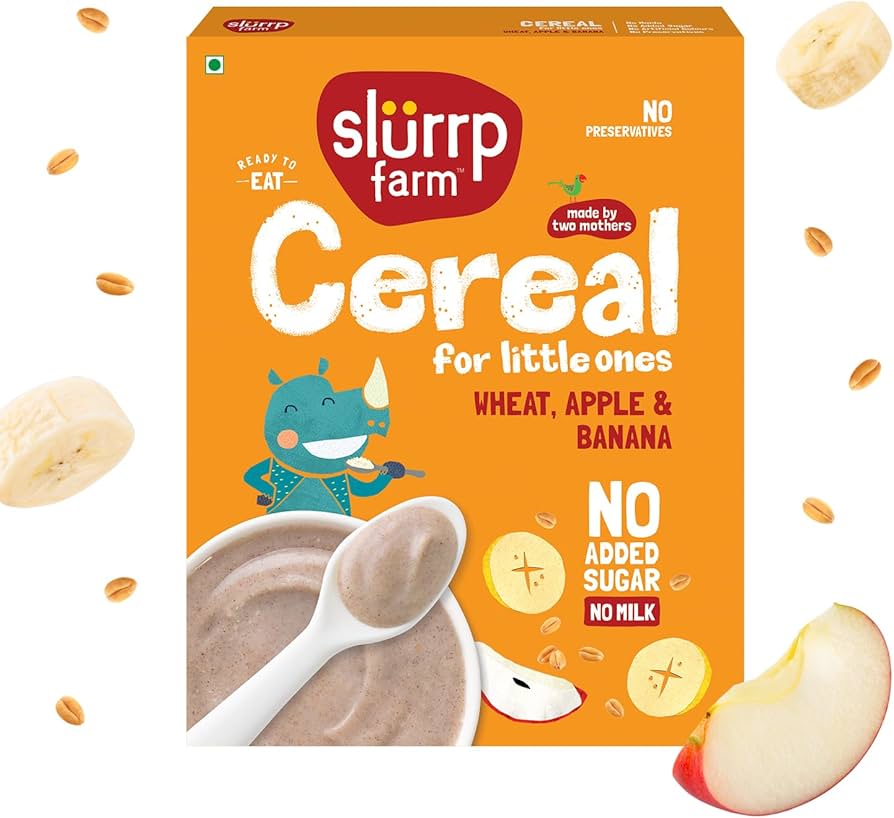
Organic Alternatives: Slurrp Farm, Early Foods
Brands like Slurrp Farm (Rs. 375 for 200g) and Early Foods (Rs. 450 for 200g) offer organic, no-added-sugar baby cereals. They're nutritionally superior-whole grains, no processing damage, clean labels. But they cost 3-4 times more than Cerelac, and for families feeding multiple children or on a tight budget, that's not realistic. I keep one packet of Early Foods Ragi porridge for occasional use, but daily? Cerelac makes more economic sense for us.
Is Cerelac Safe? FSSAI Compliance and Real Risks
Let's be clear: Cerelac is not toxic. It won't immediately harm your baby. It's FSSAI-approved, undergoes regular quality checks, and millions of Indian children have grown up eating it without adverse effects. My husband ate it, I probably ate it, and we turned out fine.
But "safe" and "optimal" aren't the same thing. Cerelac meets minimum safety standards, but given what we now know about early nutrition's lifelong impact, minimum standards feel insufficient. Research from institutions like the St. John's Medical College in Bengaluru increasingly shows that the first 1,000 days-from conception to age two-permanently shape metabolism, taste preferences, and even chronic disease risk.
The real risk isn't acute-it's cumulative and behavioral. If Cerelac becomes your baby's primary food source (which many parents do because it's easy and babies love it), you're displacing opportunities for them to try vegetables, dal, fruits, and homemade grains. You're also potentially conditioning them to prefer sweetened foods.
Who Should Avoid Cerelac?
- Babies with a family history of diabetes-added sugars are particularly problematic here
- Infants with diagnosed cow's milk protein allergy (due to milk solids)
- Families able to prepare homemade alternatives-always the better choice when possible
When Cerelac Makes Sense
- As an occasional convenience food, not a staple
- During travel when preparing fresh food isn't possible
- For working parents during particularly hectic weeks
- When your baby is ill and refusing everything else-Cerelac's familiar taste can be comforting
How to Use Cerelac If You Choose To: Preparation and Storage
If you're going to use Cerelac, here's how to make the best of it:
Preparation Tips
Don't add extra sugar or jaggery. I've seen grandmothers do this, and it defeats the whole purpose of choosing the "no added sugar" variants.
Mix with expressed breast milk instead of cow's milk for babies under 12 months. This adds beneficial fats and antibodies while avoiding cow's milk proteins.
Thin it out. The packet instructions make it quite thick. A runnier consistency is easier for beginners to swallow and prevents choking.
Add your own boosters: Stir in a teaspoon of homemade ghee for healthy fats, or mix in mashed banana or avocado. This increases nutritional density and dilutes the processed ingredients.
Storage
Once opened, Cerelac stays fresh for about 3-4 weeks if stored in an airtight container in a cool, dry place. In humid cities like Mumbai or Chennai during monsoon, it can clump or develop an off smell-watch for that. Never use prepared Cerelac that's been sitting out for more than 30 minutes; bacterial growth happens fast.
The 300g pack typically lasts about 10-12 days with twice-daily feeding, which means storage issues are minimal for most families.
What Paediatricians Say
I spoke with Dr. Anjali Sharma, a pediatrician practicing in Bengaluru with 12 years of experience, about Cerelac use. Her perspective was refreshingly balanced: "Cerelac isn't poison, but it shouldn't be your only strategy. I tell parents it's fine as one of several foods in your baby's diet, not the foundation." She emphasized that the iron fortification is genuinely beneficial, especially for vegetarian babies, but cautioned against the convenience trap where parents rely on it exclusively because babies readily accept it.
Key medical perspectives on baby cereals like Cerelac:
- Iron matters more than you think: Babies are born with iron stores that deplete around 6 months. The National Institute of Nutrition recommends 7-8mg daily for 6-12 month olds, and most Indian diets fall short. Fortified cereals help bridge this gap, but shouldn't be the only source.
- Variety is non-negotiable: Babies need exposure to diverse tastes and textures between 6-12 months. This window shapes food acceptance for years. Over-relying on smooth, sweet cereals can make the transition to family foods harder.
- Watch for displacement: The biggest issue doctors see isn't Cerelac itself, but babies drinking less breast milk because they're filling up on cereal. Breast milk should remain the primary nutrition source through 12 months, with solids being complementary-hence the term "complementary feeding."
The Honest Verdict: Should You Buy Cerelac in 2024?
After months of using it occasionally, extensive research, and many conversations with other parents and doctors, here's my genuine take: Cerelac is a tool, not a solution. It's not the evil poison some social media posts make it out to be, nor is it the perfect first food the marketing suggests.
Use it strategically-as a backup, a travel food, an occasional convenience when you're overwhelmed. But don't let it become your baby's dietary foundation. The best first food is still homemade-simple dal water, mashed rice with ghee, ragi porridge, or vegetable khichdi. These teach your baby real flavors, provide better nutrition, and cost a fraction of the price.
If budget allows, explore cleaner alternatives like Slurrp Farm or Early Foods. If time allows, batch-cook and freeze homemade baby food on weekends. If neither allows right now-because you're back at work, managing two kids, or just surviving-Cerelac won't ruin your child. Add nutritious boosters to it, limit it to once daily, and don't carry guilt about it.
The sugar controversy was a necessary wake-up call, not a reason to panic. It reminded us that corporations optimize for profit and compliance, not for our babies' best interests-that's our job as parents. Stay informed, make the best choices you can with your real-life constraints, and remember that one food choice doesn't define your child's health trajectory. What matters more is the overall pattern-are they eating a variety of foods? Are they growing well? Are they happy and exploring new tastes?
If the answer to those questions is yes, whether or not Cerelac is in your pantry becomes a lot less important.