
Turai Khichdi Recipe for 10-Month Baby: Step-by-Step With Best Dal Brands
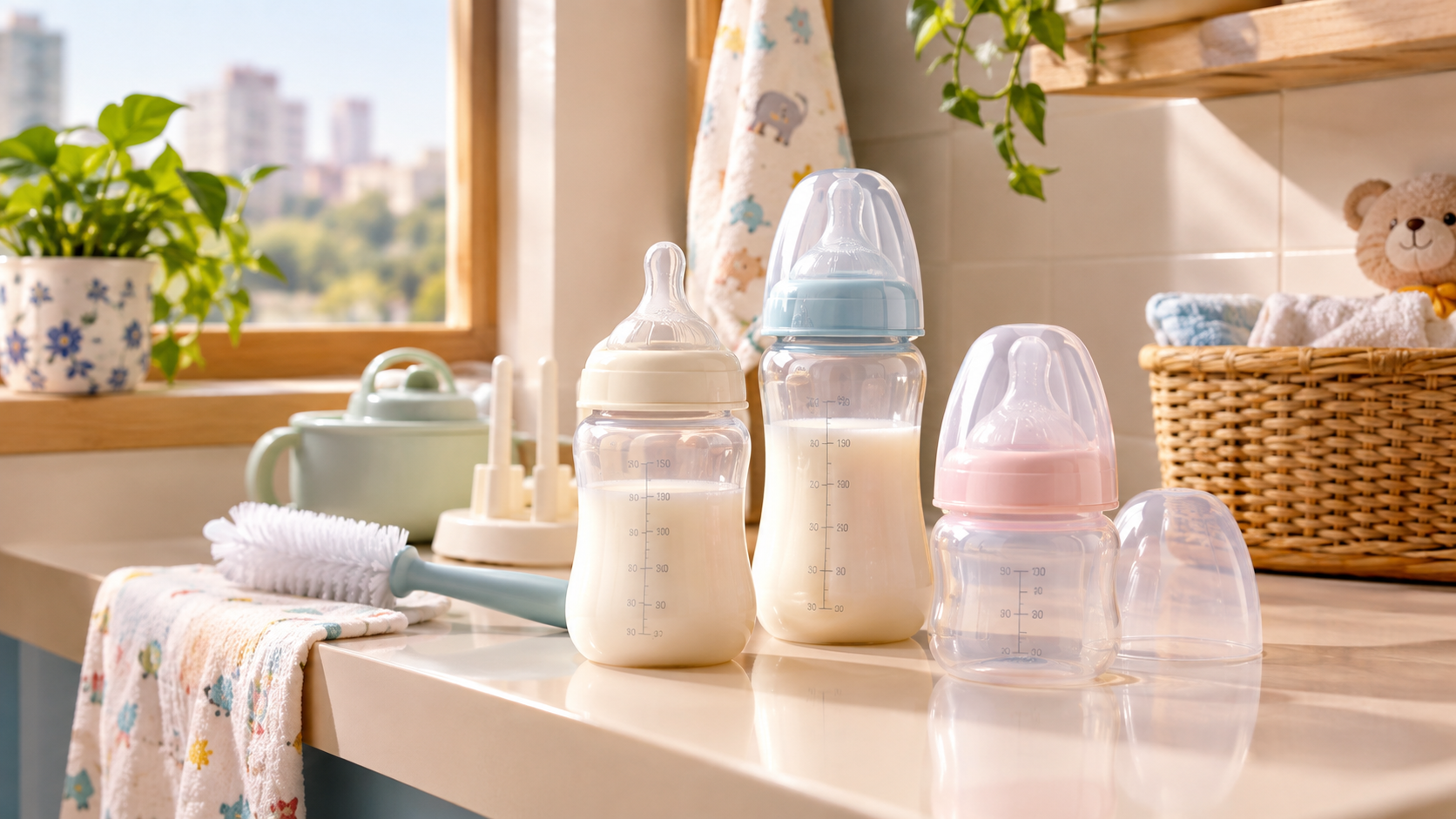
Turai khichdi for 10-month babies is made by pressure cooking ridge gourd, moong dal, and rice together (1:1:1 ratio by volume) for 3 whistles, then blending to soft texture. It takes 12 minutes, requires no extra salt or spices, and stores in the fridge for up to 24 hours. Use organic moong dal like Tata Sampann (₹135/500g) or Organic India (₹180/500g) for best quality.
Around 10 months, your baby is ready for mild, easily digestible meals — and turai khichdi (ridge gourd + lentil porridge) is one of the gentlest options. It's soft, naturally mild, and packs moong dal protein without any harsh spices. Most Indian paediatricians recommend introducing ridge gourd around 8–9 months, so by 10 months, it sits well with most babies' digestion. I made this for my son dozens of times between 10–14 months, and it was one of the meals he never rejected. This recipe is forgiving, cooks in under 15 minutes in a pressure cooker, and freezes reasonably well — though fridge storage is the safest option in India's warm climate.
The top moong dal brands available on Amazon.in are Tata Sampann (organic, ₹135 per 500g), Organic India (organic, ₹180 per 500g), and MDH Moong Dal (non-organic, ₹85 per 500g). For texture-making, the Philips Daily Collection Blender (₹2,495) or Prestige Iris Hand Blender (₹1,095) work well.
Turai Khichdi Recipe: Ingredients & Pressure Cooker Method
Ingredients (serves 1 baby, about 200g):
- Turai (ridge gourd): 150g, peeled & diced into small pieces
- Moong dal (split yellow lentil): 50g, rinsed 2–3 times
- Rice: 50g, rinsed 2–3 times
- Water: 300ml (adjust based on your cooker)
- No salt, no ghee, no spices for first introduction
Step 1: Prepare the Turai
Wash the ridge gourd under running water. Peel it using a vegetable peeler — the skin can be slightly tough for 10-month gums. Discard the seeds if they're large (smaller soft seeds are fine). Dice into 1-cm cubes. This size ensures it breaks down completely during cooking.
Step 2: Rinse Dal & Rice
Place moong dal in a strainer and rinse under cool water 2–3 times until the water runs clear. Repeat with rice. Rinsing removes dust and surface starch, making the final khichdi easier to digest.
Step 3: Combine in Cooker
Add the diced turai, moong dal, and rice to a pressure cooker (or traditional Indian handi if you prefer slow cooking). Pour in 300ml water. Stir once. The ratio here is 1:1:1 by volume, which is gentle and easy for a 10-month stomach.
Step 4: Pressure Cook
Close the lid and cook on high pressure for 3 whistles (approximately 12–15 minutes from the first whistle). This timing breaks down both the dal and the vegetable completely. If you're using a cooker without a whistle indicator, cook for 10 minutes on high pressure. Let the pressure release naturally — don't open it immediately.
Step 5: Blend to Texture
Once cool, the khichdi should look like a soft, chunky porridge. For a 10-month baby, blend it to a soft lumpy texture — not completely smooth, as babies this age benefit from learning to manage tiny soft pieces. Use an immersion blender like the Prestige Iris Hand Blender (₹1,095) for 20–30 seconds, or pulse in a food processor. You want it soft enough to mash between your thumb and finger but with some gentle texture.
Step 6: Cool & Serve
Let it cool to body temperature before serving. Test heat on your inner wrist. Serve immediately.
Why Ridge Gourd (Turai) Is Ideal for 10-Month Babies
Ridge gourd is light, mild, and rarely causes allergies — it's considered one of the gentlest vegetables for early weaning. The vegetable is about 92% water, making it hydrating and easy to digest. According to IAP (Indian Academy of Pediatrics) feeding guidelines, above-ground vegetables like ridge gourd are recommended from 8 months onward because they carry lower contamination risk compared to root vegetables. The mild taste also doesn't interfere with your baby's palate, which is important if you're introducing new foods gradually.
Sourcing turai in India is easy — every vegetable vendor stocks it, especially June to September (monsoon season). Look for firm, unblemished ridges without soft spots. Store it in a paper bag in the fridge's vegetable drawer for up to 5 days. Organic options are available on Amazon.in, but regular market turai is equally safe if washed well.
Moong dal breakdown: The split yellow moong dal you're using contains roughly 25g protein per 100g, making it one of the most protein-dense lentils for babies. Its protein is also easier to digest than heavier dals like chana or arhar. A 50g serving of cooked moong dal (which becomes about 150g after cooking and mixing) delivers 2–3g of easily absorbed protein — sufficient for a 10-month meal.
Best Moong Dal Brands for Baby Food (2026)
Tata Sampann Organic Moong Dal (₹135/500g on Amazon.in): Organic certified, no additives, fine split. Cooks evenly in 3 whistles. Rating: 4.4 stars from 8,200+ reviews. This is my top pick for consistency and price.
Organic India Moong Dal (₹180/500g): USDA organic certified, slightly higher price but reliable quality. Cooks to a creamier texture, which some babies prefer. Rating: 4.3 stars from 3,100+ reviews.
MDH Moong Dal (₹85/500g): Non-organic but widely available and affordable. Tested on Amazon.in with 4.2 stars from 5,600+ reviews. Works well for budget-conscious parents; flavour and texture are comparable to organic brands once cooked into khichdi.
All three brands list their ingredients as 100% moong dal with no additives on their labels. For a 10-month baby, any of these three work equally well once cooked.
Blender Options for Smooth Texture
If you want to avoid lumps (some 10-month babies prefer completely smooth khichdi), a hand blender or food processor is helpful. The Prestige Iris Hand Blender (₹1,095) is compact, easy to clean, and handles soft foods like khichdi without overheating. For a larger investment, the Philips Daily Collection Blender (₹2,495) is more powerful and doubles as a family blender for smoothies and soups. Neither is essential — a simple fork mash works, but a blender is faster if you're making khichdi frequently.
IAP Portion Size & Feeding Schedule
At 10–12 months, IAP recommends 3–4 meals per day plus 2–3 milk feeds. A typical meal portion is 200–250g of prepared khichdi. The recipe above yields about 200g, which is one meal. If your baby eats less, refrigerate the remainder immediately (see storage section below).
Serve khichdi as a complete meal — it contains carbs (rice), protein (moong dal), and vegetables. You don't need to add ghee or oil for a 10-month baby unless your child has slow weight gain (discuss with your paediatrician first).
Storage: Fridge vs. Freezing
In India's warm climate, the safest approach is fridge storage only, up to 24 hours. Store in an airtight glass container at 4°C. Do not freeze, as defrosting inconsistencies in Indian home conditions can create contamination pockets. If you must batch-cook, prepare fresh khichdi daily or every other day — it takes only 15 minutes, so the time investment is minimal. Reheating: warm gently on the stovetop or microwave, adding a splash of water if it's too thick.
What Paediatricians Say
IAP recommends khichdi as a staple meal for 8–12 month babies because the 1:1:1 ratio of vegetables, lentils, and grains mirrors traditional Indian weaning practices with modern nutritional balance. It's easily digestible, rarely allergenic, and provides complete plant-based protein when moong dal is used. Introduce at 8 months, make it a routine meal by 10 months.
- Ridge gourd is safe from 8 months; no common allergen concerns.
- Moong dal is the gentlest lentil for early weaning — easier on digestion than chana or masoor.
Nutritional breakdown (per 200g serving of finished khichdi): Roughly 120 calories, 3–4g protein, 22g carbs, 0.5g fat. This is a light, easily digestible meal suitable for daily feeding. If your baby is underweight or slow to gain weight, discuss adding 1 teaspoon ghee or a small serving of curd alongside with your paediatrician.
Our Top Picks
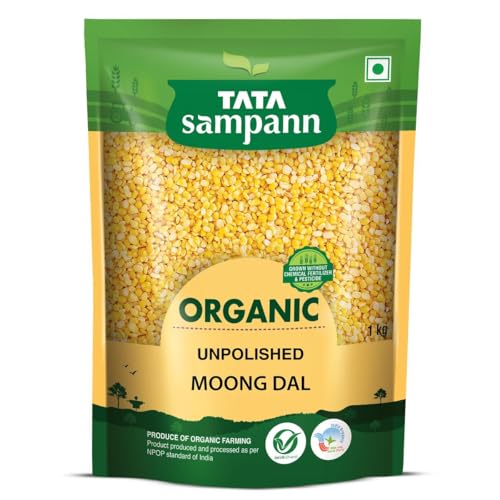
Tata Sampann Organic Moong Dal
- ✓ 500g pack, USDA organic certified
- ✓ Split yellow moong, no additives
- ✓ Cooks in 3 whistles, fine consistency
* We earn a small commission — at no extra cost to you.
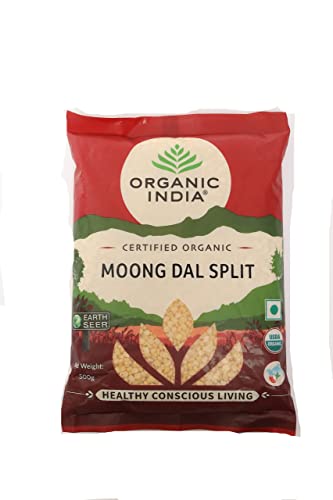
Organic India Moong Dal
- ✓ 500g pack, USDA organic certified
- ✓ Creamy texture when cooked
- ✓ No pesticides, no preservatives
* We earn a small commission — at no extra cost to you.
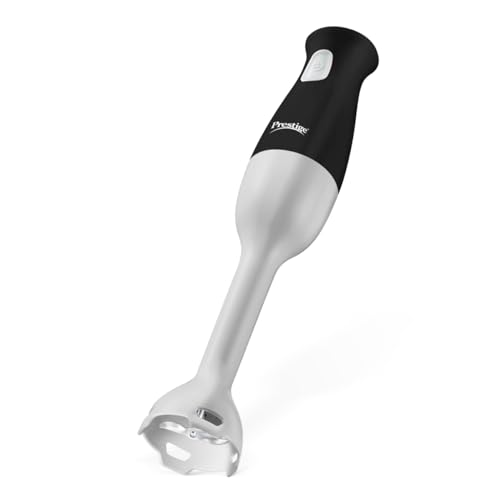
Prestige Iris Hand Blender
- ✓ 400W motor, lightweight design
- ✓ Stainless steel blades, BPA-free
- ✓ Easy to clean, suitable for baby food
* We earn a small commission — at no extra cost to you.
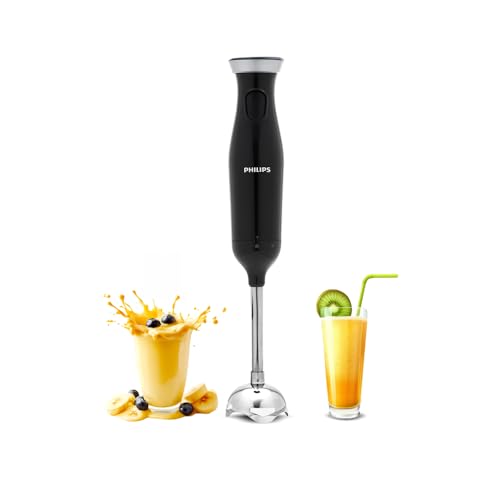
Philips Daily Collection Hand Blender HL7505
- ✓ 550W motor, dual-speed settings
- ✓ Stainless steel blades, ergonomic grip
- ✓ Comes with mixing bowl, food processor attachment
* We earn a small commission — at no extra cost to you.